
Week number 3 of 5 is done! Time is going by so fast and I feel like its almost time for me to go home. But I get to spend 8 more weeks working with the animals that inspired my passion and then 2 weeks showing my family why I love this place so much. I’ll get to take them to some of the places I’ve gotten to spend my time and explore new places together.
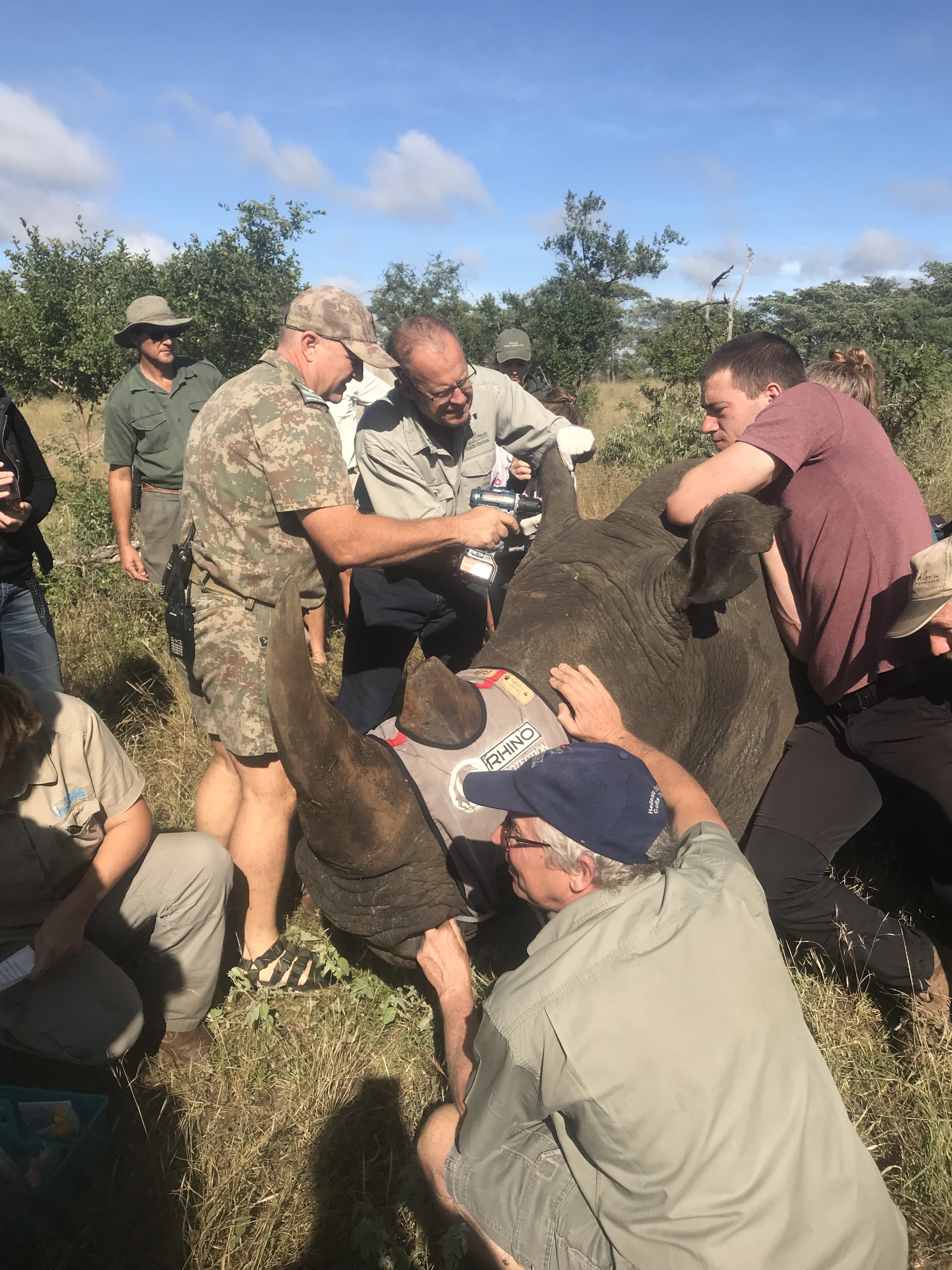
Since my last post, I’ve gotten to see and participate in some amazing stuff. Last Thursday, Dr. Rogers placed a VHF (tracker) tag in a white rhino. This is the first use of this type of tag and it will be used to determine how far these animals are moving to hopefully allow them to be better protected. Poaching is still a HUGE issue here in South Africa and they are losing rhinos every single day. All of the techniques they are using to try to deter and stop the poachers aren’t enough. There is not one definite solution to the problem and it will take everyone working together to solve it.

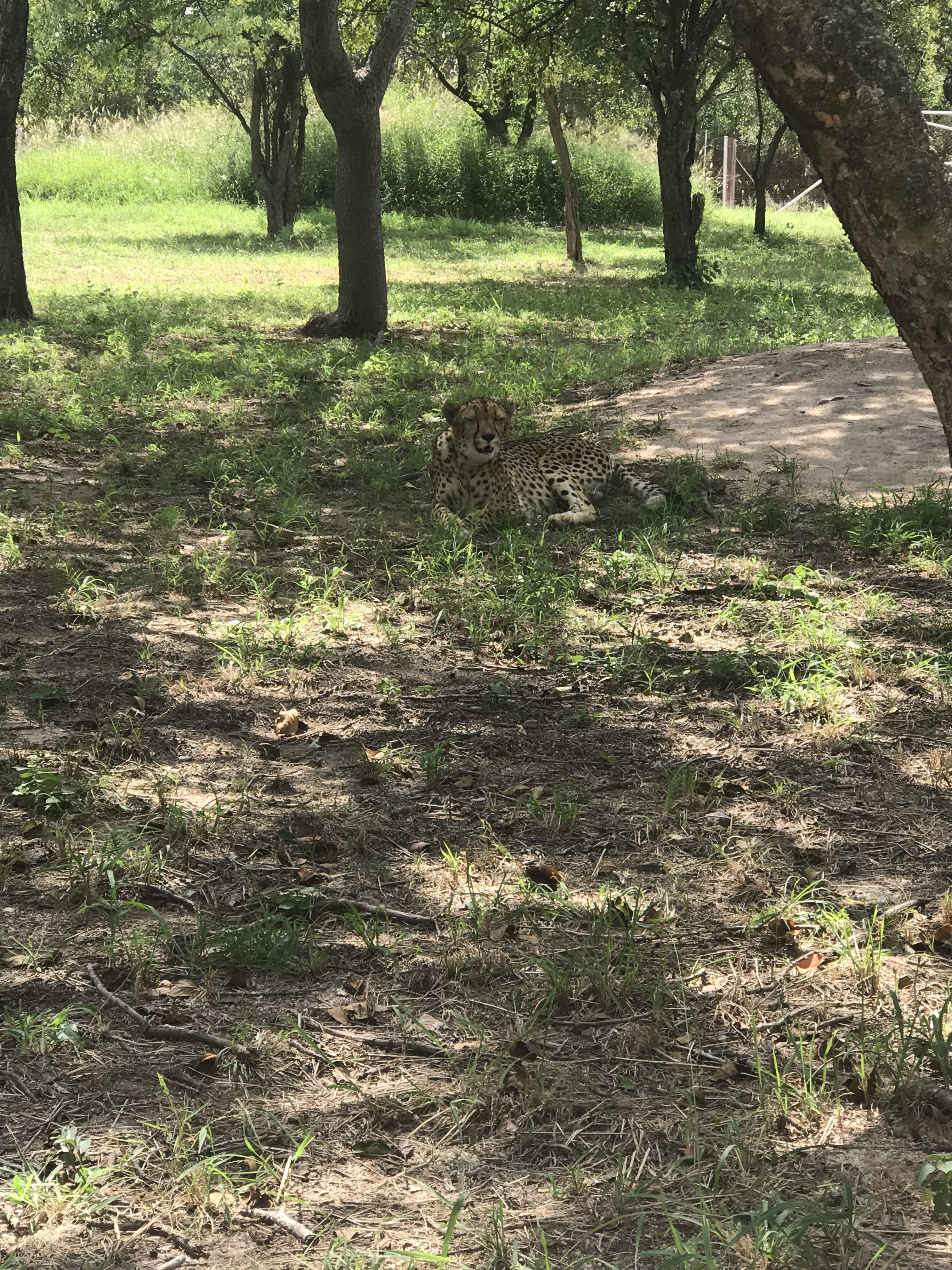
Friday we checked on the other set of cheetahs to see what their TB results were. Luckily, they were all negative! Blood was taken on a couple to run an additional test just to be sure but typically, the skin test is more accurate. They will all be tested again in 3 months just to be sure that they weren’t exposed but not producing antibodies yet.
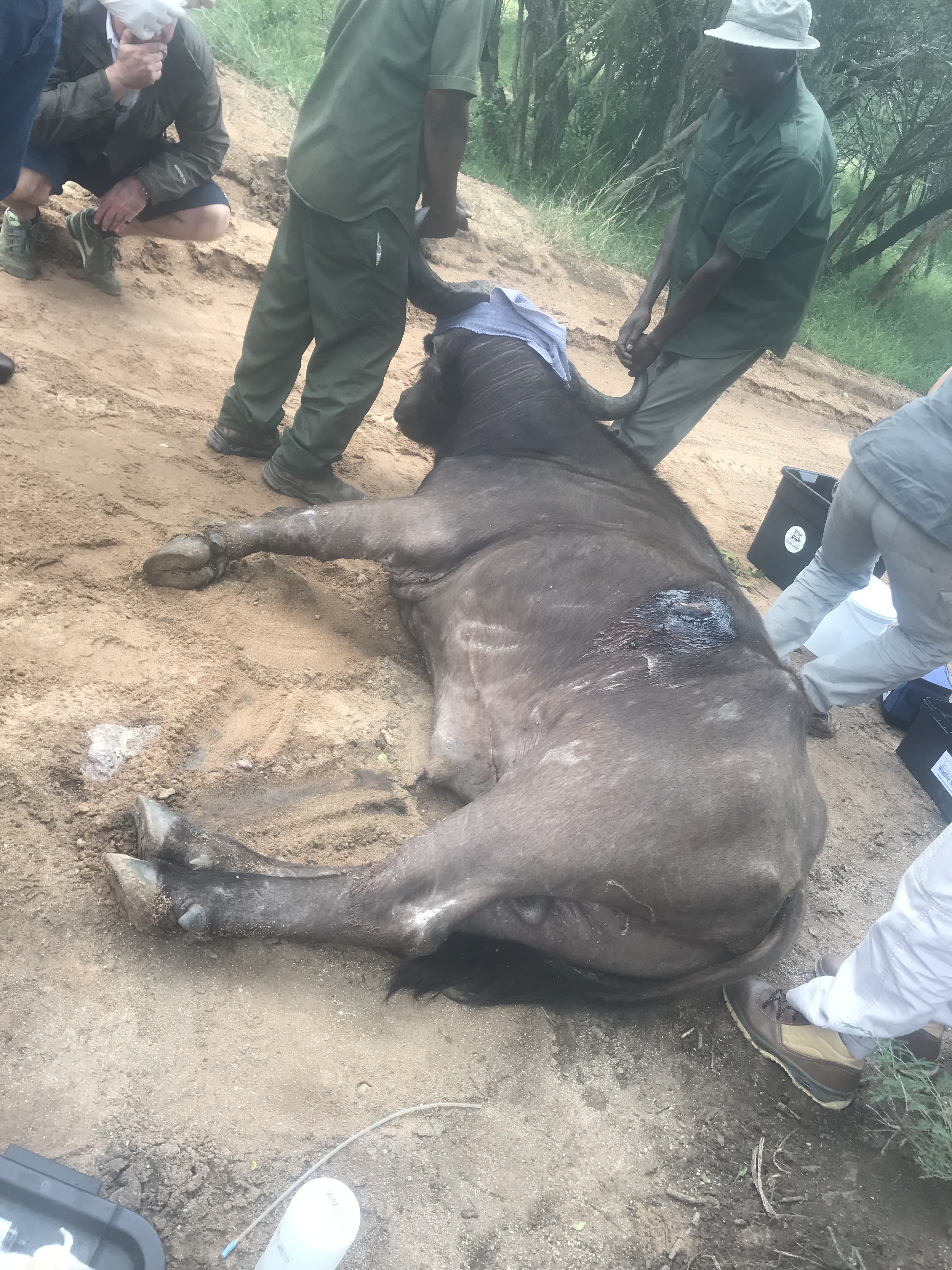
I spent the weekend relaxing by the pool and catching up on some sleep. Some days we have to be up and ready to leave as early as 4:45am so the days we get to sleep in are cherished. Monday was a clinic day so the morning was filled with consultations just like at home. Dr. Rabie is the small animal vet at the practice and she is very good about letting us see everything that she does. Although, Dr. Rogers does all of the wildlife work, Dr. Rabie occasionally sees small wildlife and she had a consultation with two pet squirrels that were poisoned. After lunch, a Southern Ground Hornbill was brought in. Initially, it was thought to have been hit by a car because it had been sitting on the road for a while but X-rays showed no visible fractures. Dr. Rogers believed that it had some sort of infection and was just weak from not being able to forage for a few days. These birds are endangered due to habitat loss (they nest in old trees which are cut down by people and knocked down by elephants) and poaching for meat. To end the day, we went out to check on the injured buffalo again and see how the wounds were healing. Everything was healing well so the wounds were cleaned again and now they will be left to finish healing on their own.


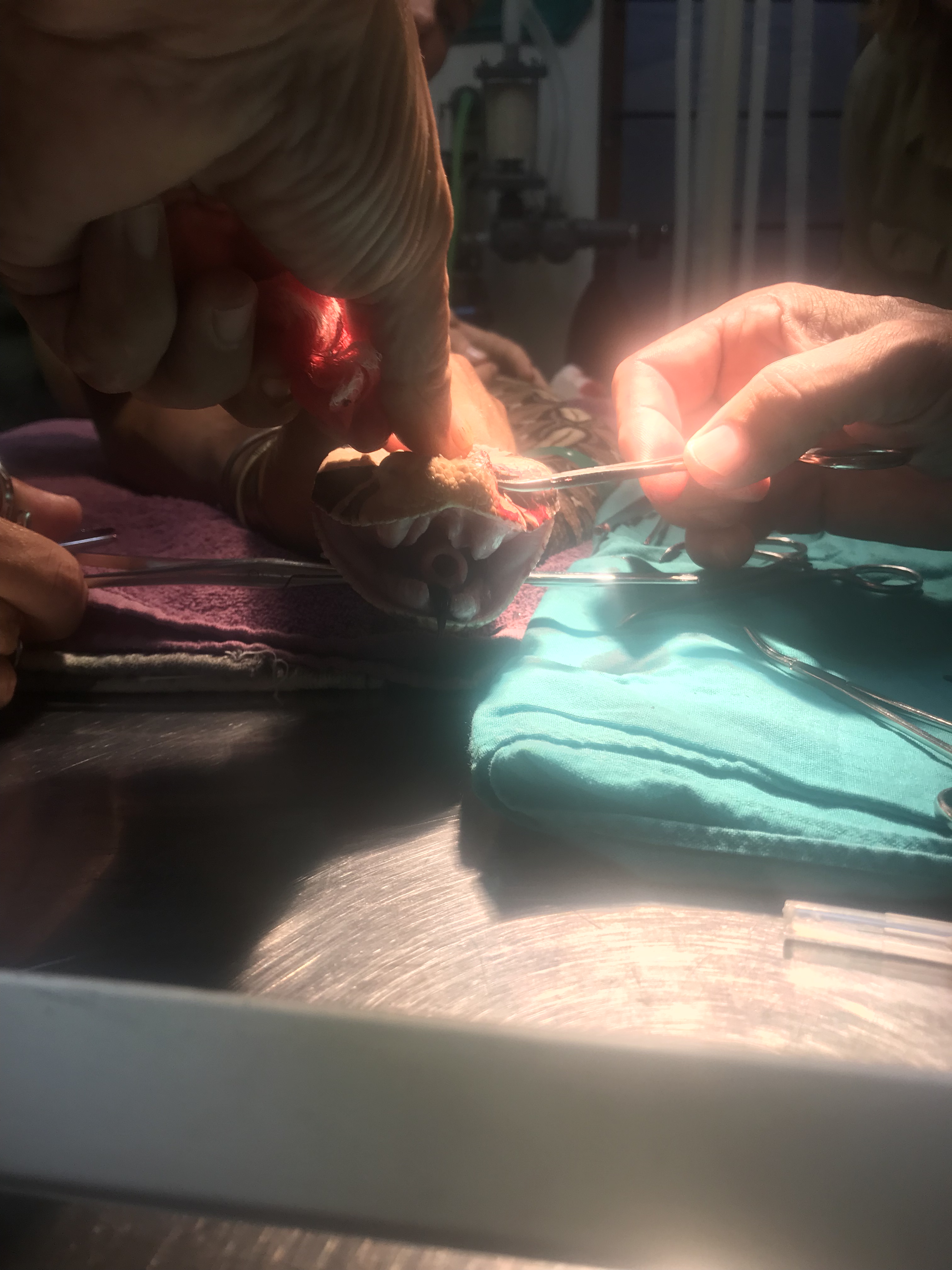
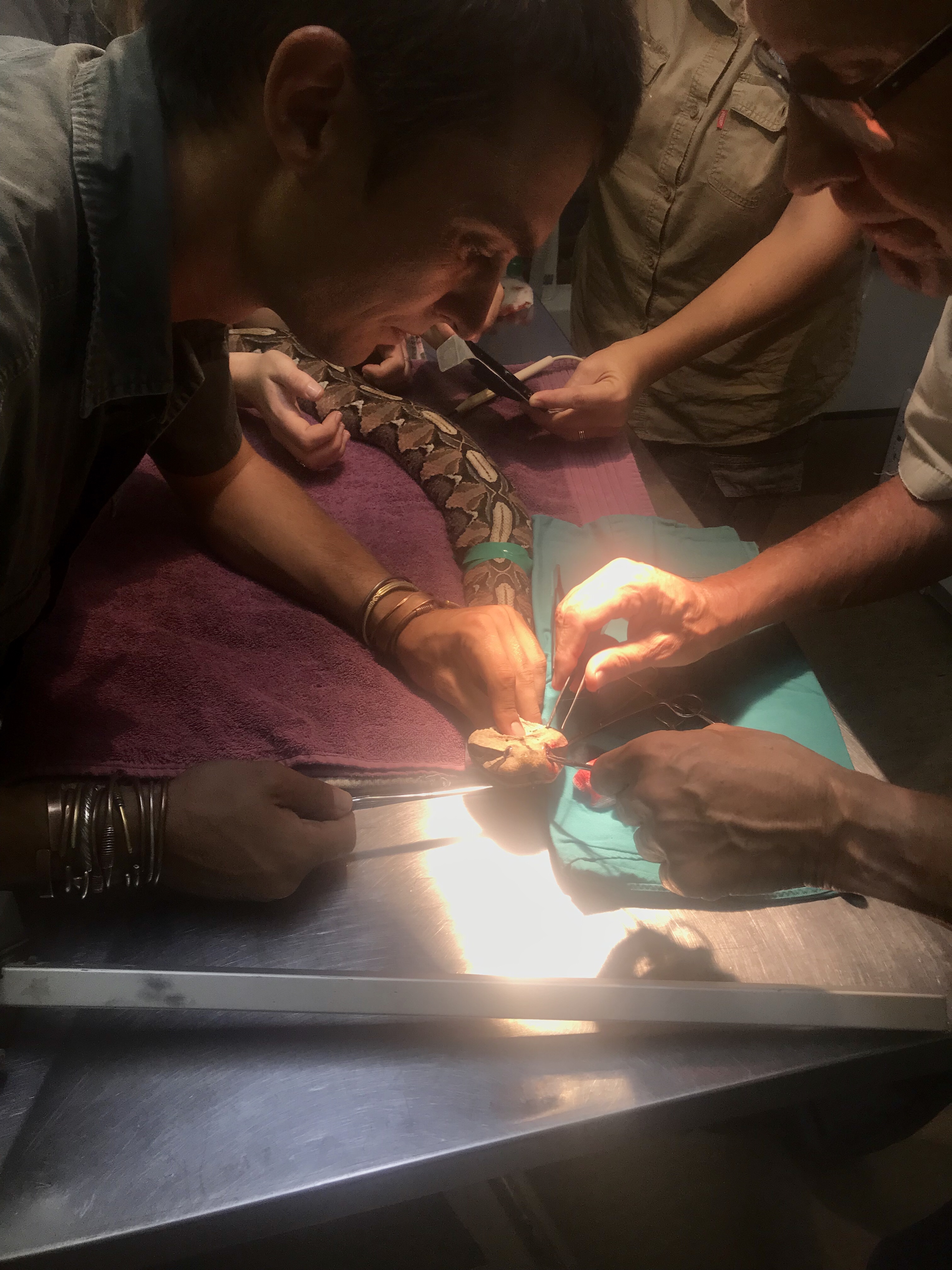
Tuesday was another day at the clinic due to some logistical holdups with the wildlife work. This morning was a surgery day for Dr. Rabie. She performed a leg amputation on a Yorkie that was hit by a car. The fracture was at the distal (away from the body) head of the femur and couldn’t be stabilized with a splint. The dog would need specialized orthopedic surgery to fix the fracture. Unfortunately, that was not an option for the owners but small dogs actually do very well without a limb. After lunch, an emergency was brought in. A dog had been bitten by a black mamba! Black mambas are one of the most venomous snakes on the planet and an adult human can die from a bite within 20 minutes. Luckily, the owners reacted quickly and got the dog into the clinic. She was given anti venom and put on supportive care (oxygen, fluids) to allow the body to process and excrete the venom. Black mamba venom is a neurotoxin so it disrupts the communication between the nervous system and the muscles causing the victim to not be able to breathe or swallow properly. The final patient of the day was a gaboon viper that had suffered from a bacterial infection that caused the eye to abscess. Dr. Rogers decided to enucleate (remove the eye) because it was no longer functioning from the abscess and he was worried the infection could become septic if it was left in. Gaboon vipers are also extremely venomous snakes and have the largest fangs out of any snake. Everyone was quite nervous during the operation because it is almost impossible to tell if a snake is still under anesthesia. I am not a big fan of snakes but the gaboon viper is one of the prettiest snakes I’ve ever seen and most people never work on them.

The rest of the week was filled with rhino work! A large number of both black and white rhinos were being dehorned in the area. The dehorning is another approach being used around Africa to try to stop the poaching of these animals. It is not ideal as the rhino’s horn is an iconic feature of the animal but it seems to be one of the more successful approaches being taken. Unfortunately in order to protect the rhinos and those that work to protect them, no photographs were allowed. Both the rhinos and the horns are heavily protected by the private sector and the government. The dehorning is a quick procedure for the animal to try to reduce the amount of stress the animal endures. They have found that it is most effective to dehorn around every 18 months as the horn grows about 3 inches every year.
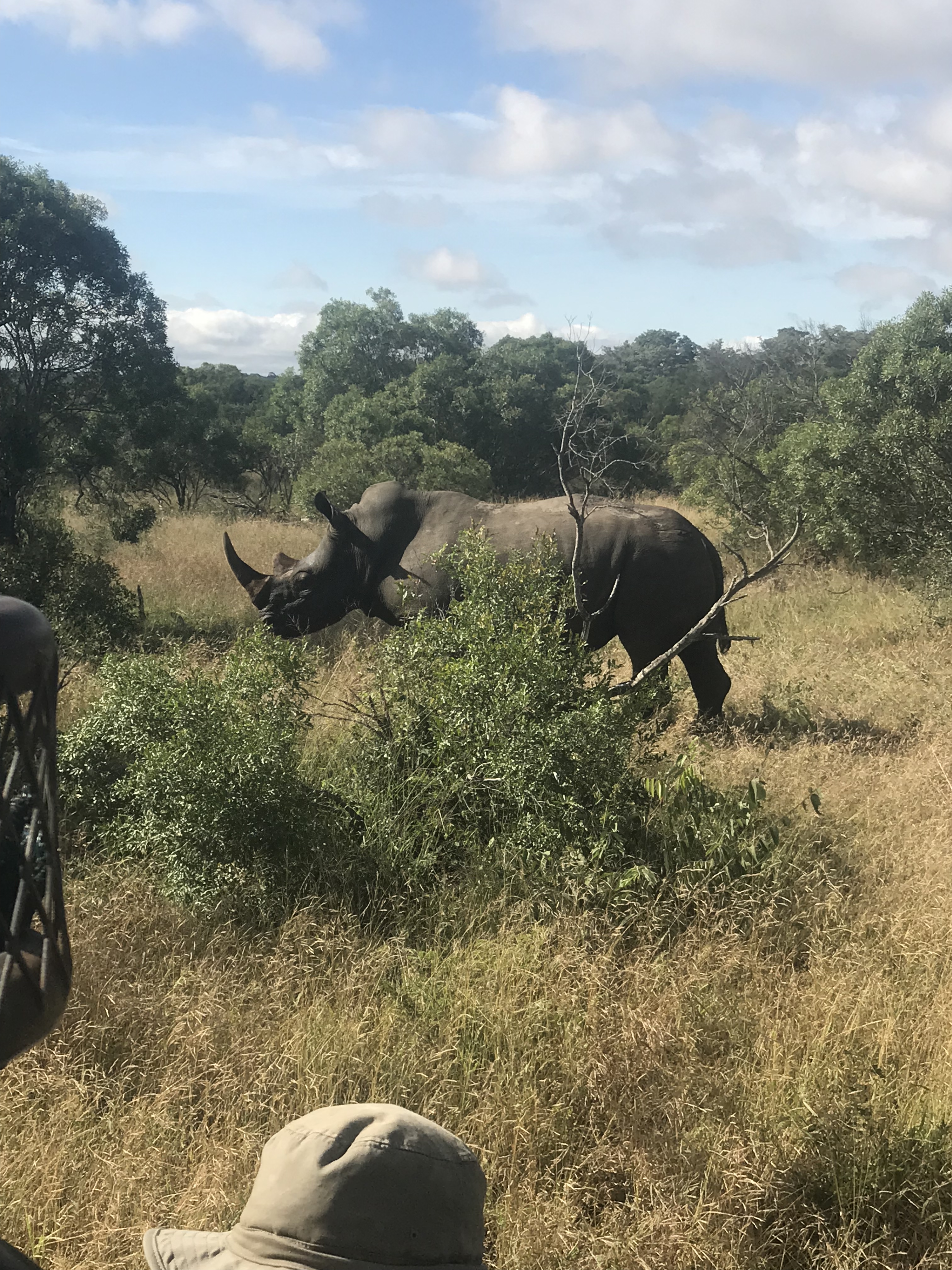
(Photo from VHF tagged rhino)
It’s starting to turn to autumn here now and the nights are cooling off. The weather during the day is starting to become ideal for working with wildlife because the animals do better under anesthesia when it is cool out. We will have a short week next week for the Easter holiday as Good Friday is a national holiday here and most places are closed. 70 days left before I head back home! Still hoping I finally get to see a wild leopard!!


 Wandering Wildlife Vet
Leave a comment