
Sorry for the silence! Time has just gone by so fast I didn’t even realize it had been so long since I posted! My 5 weeks with Dr. Rogers is already over and it feels like I just got here yesterday. I’m heading to my final project with Dr. Klopper in Louis Trichardt this afternoon. It’s really starting to hit me that my time in Southern Africa is almost over! I’ve had a great last two weeks here and got to see so much.
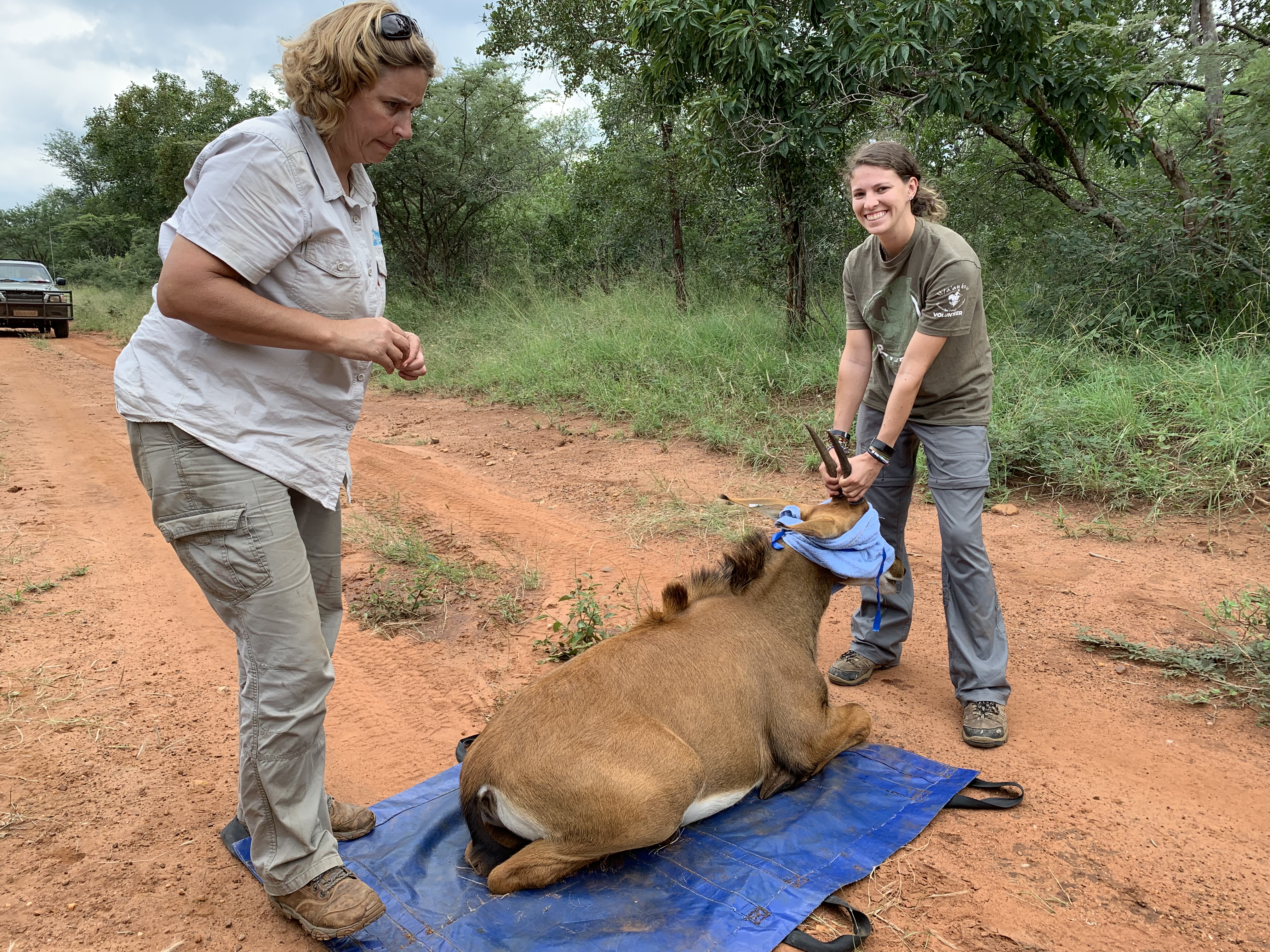
Now for an update from the last two weeks! The week after my last post was a slow one. We had just finished a big operation with dehorning all the rhinos on a big reserve outside Kruger. We were also coming up on the Easter holiday which is a four day holiday weekend here so it was a short week. Thursday, before our weekend started, we went to dart and relocate some sable antelope. These sable were subadults from a breeding population that were being moved into an open reserve before they reached sexual maturity (to avoid inbreeding). Over the course of the day, we darted and moved 18 sable with no problems during any of the immobilizations! 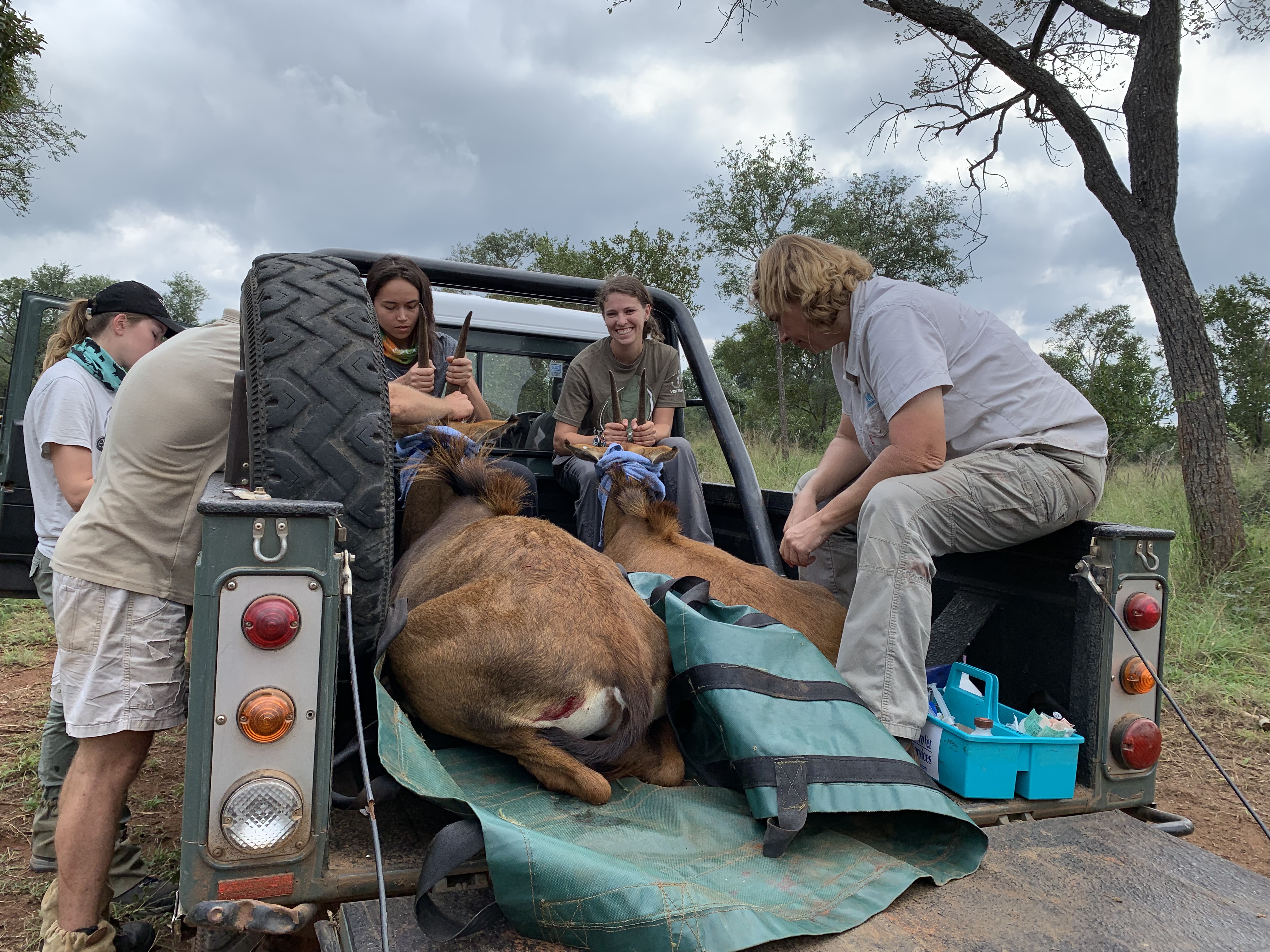
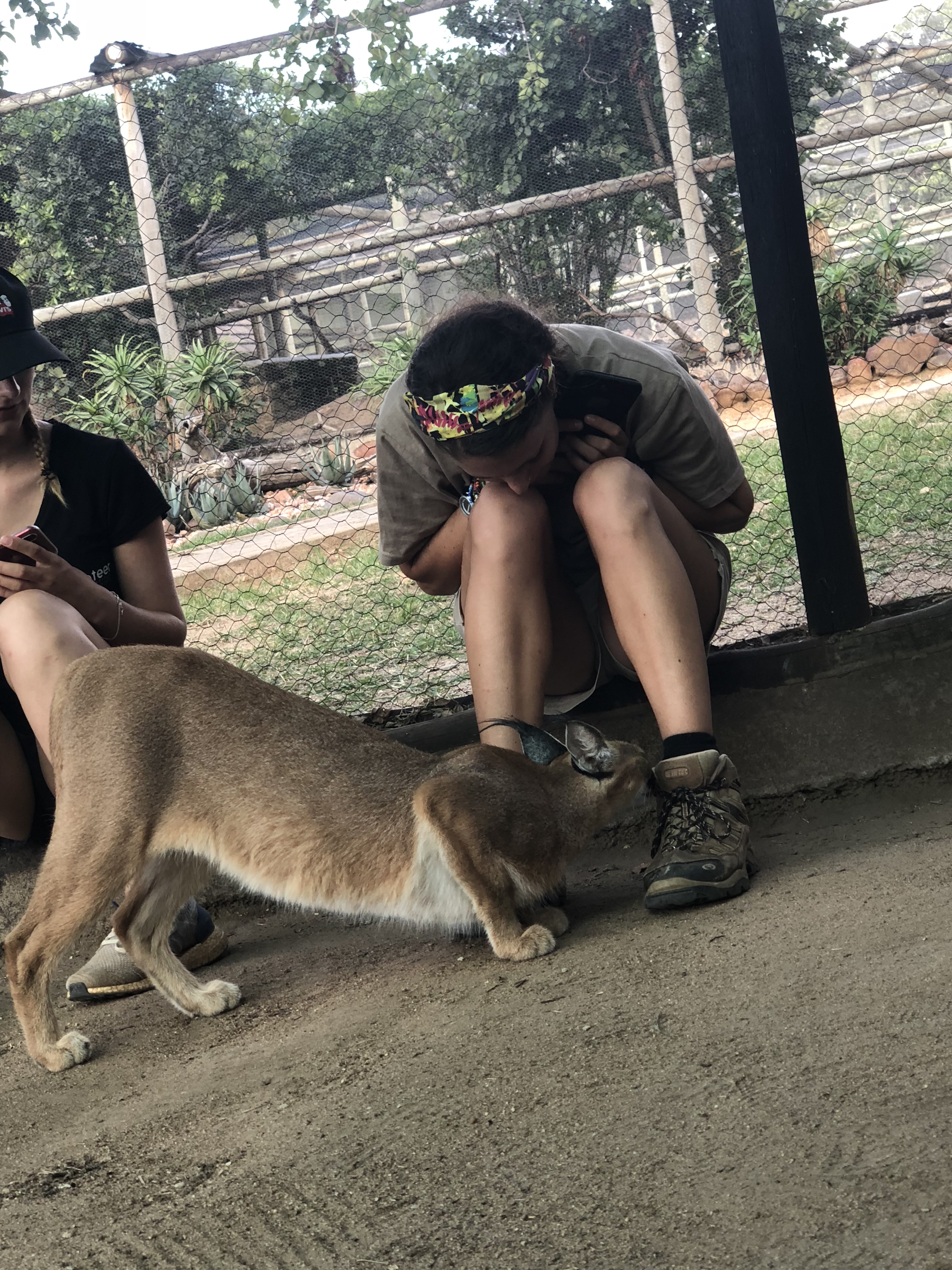
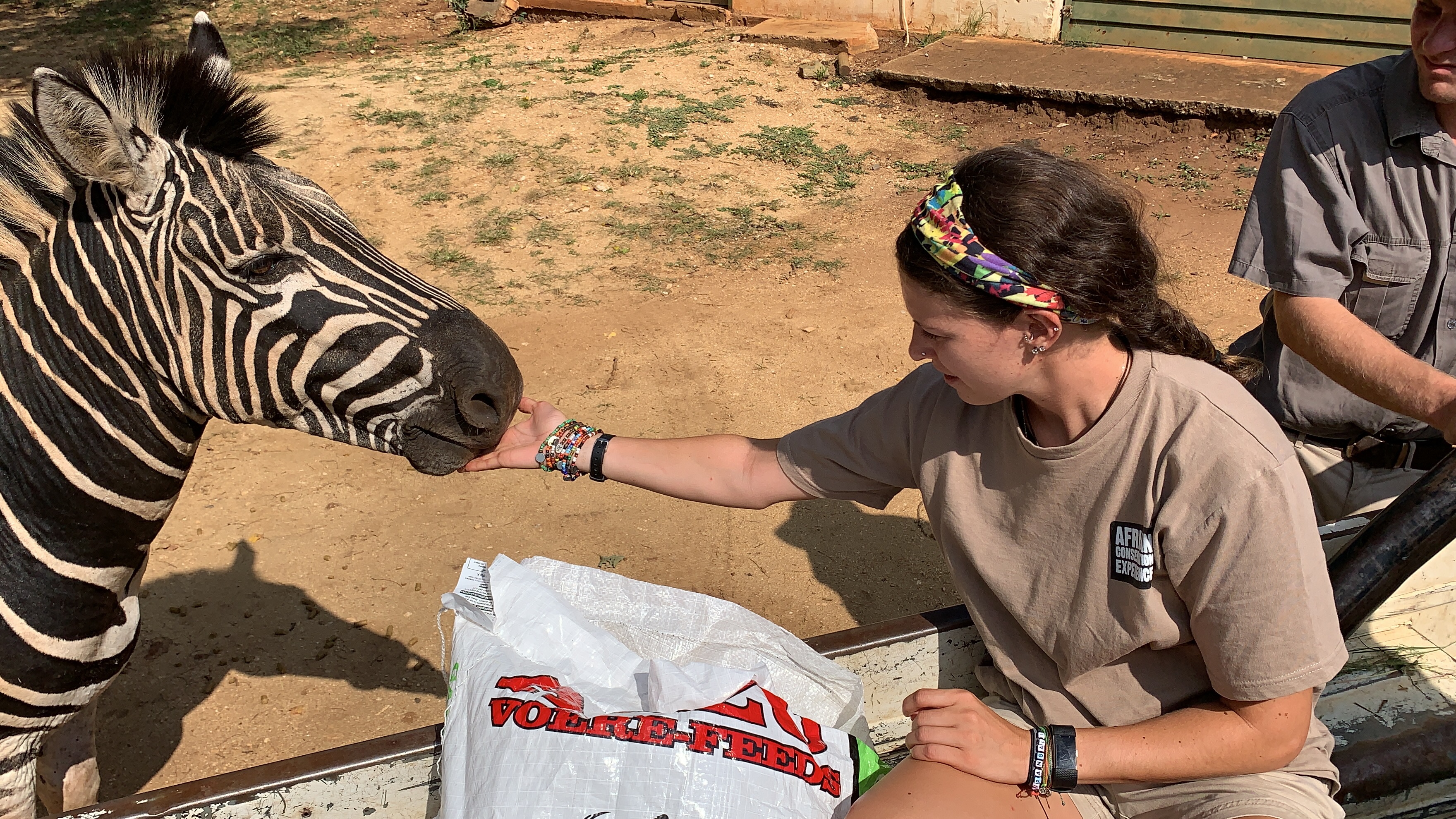
Since we had a 4 day weekend, we decided to spend two days at Moholoholo Rehabilitation Center helping their volunteers with the day to day tasks. It was very similar to what I did in Zimbabwe, cleaning and feeding the resident animals that couldn’t be released. They also set up some other activities for us to do while we were there so we got to see as much as possible during our two days. We went out onto their reserves and helped feed some of the herbivores that they supplemental feed year round. We also go to interact with their caracal, Savannah, who was rescued from being a pet but since she spent so much of her life around people, she still craves attention. Moholoholo also runs a cheetah ambassador program where they take tame cheetahs to local schools and events to teach people about the species and why they should protect it.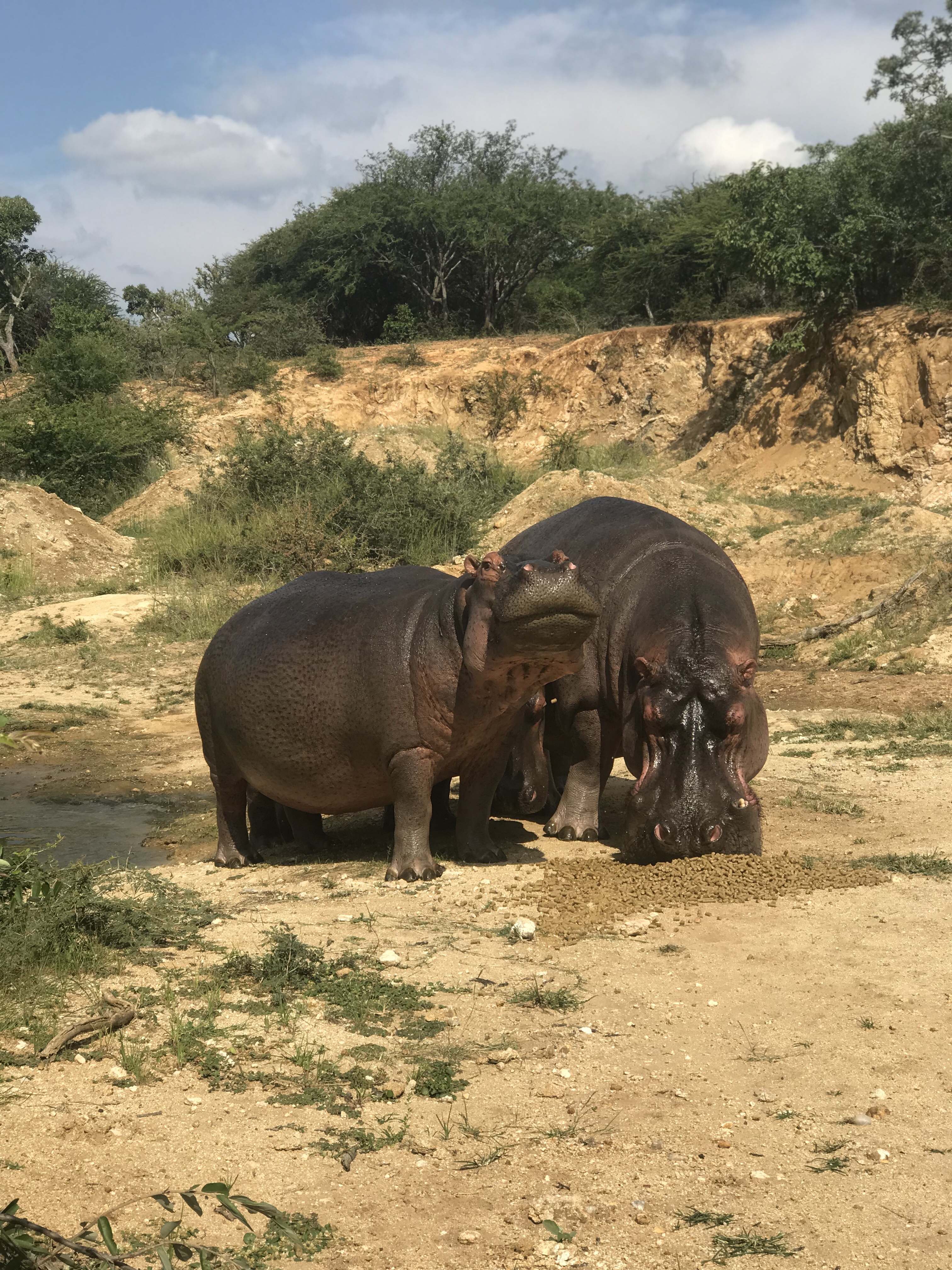
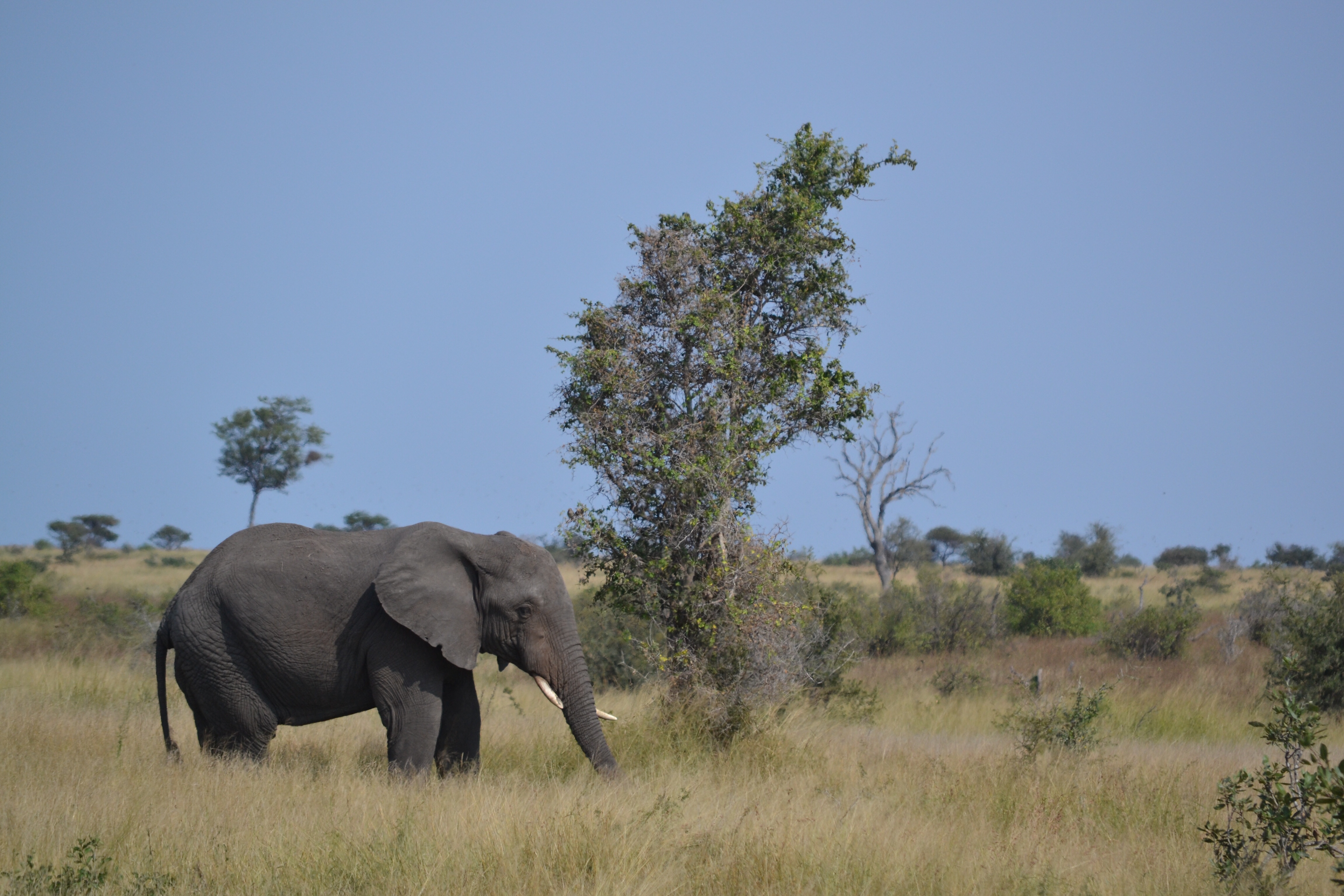
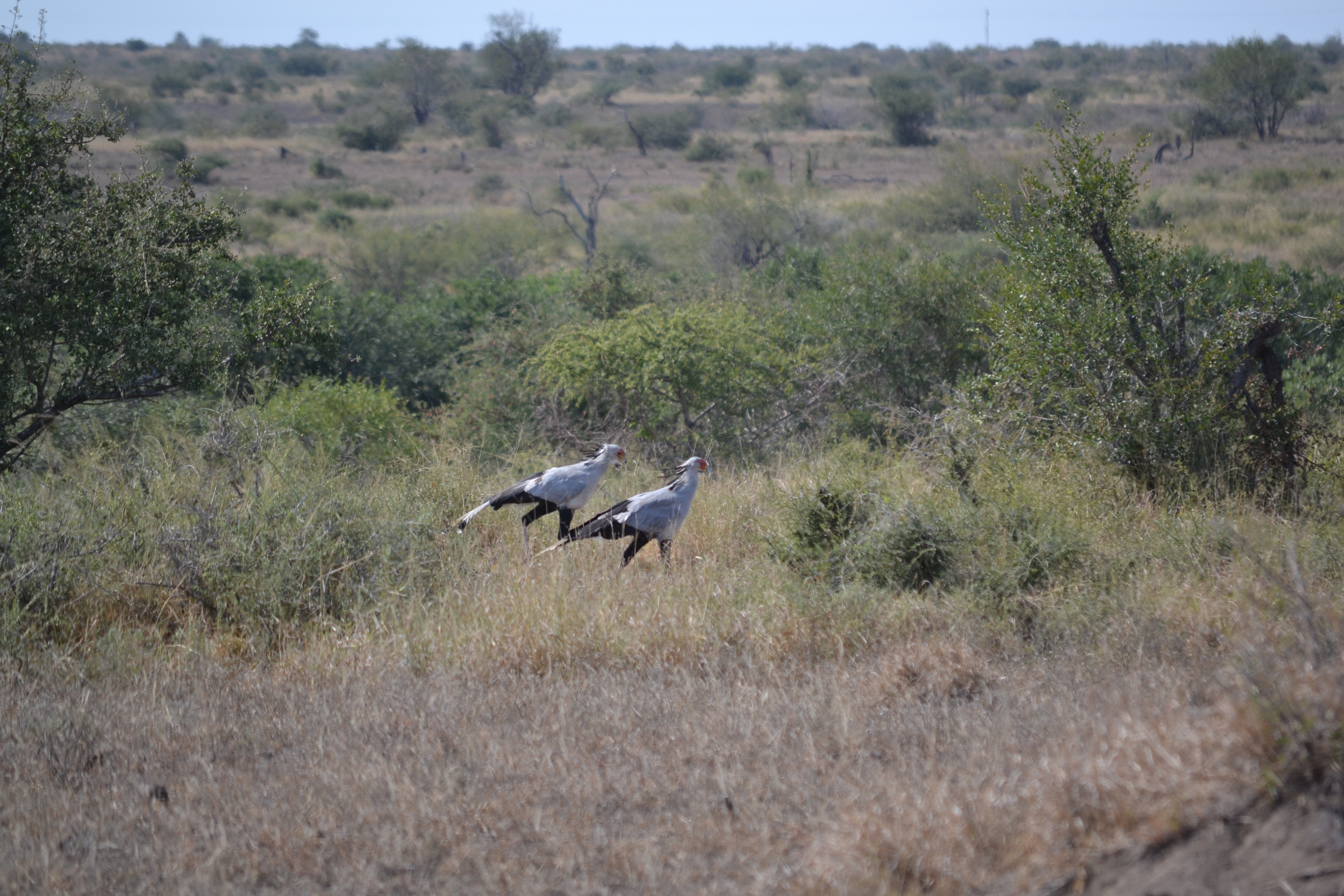
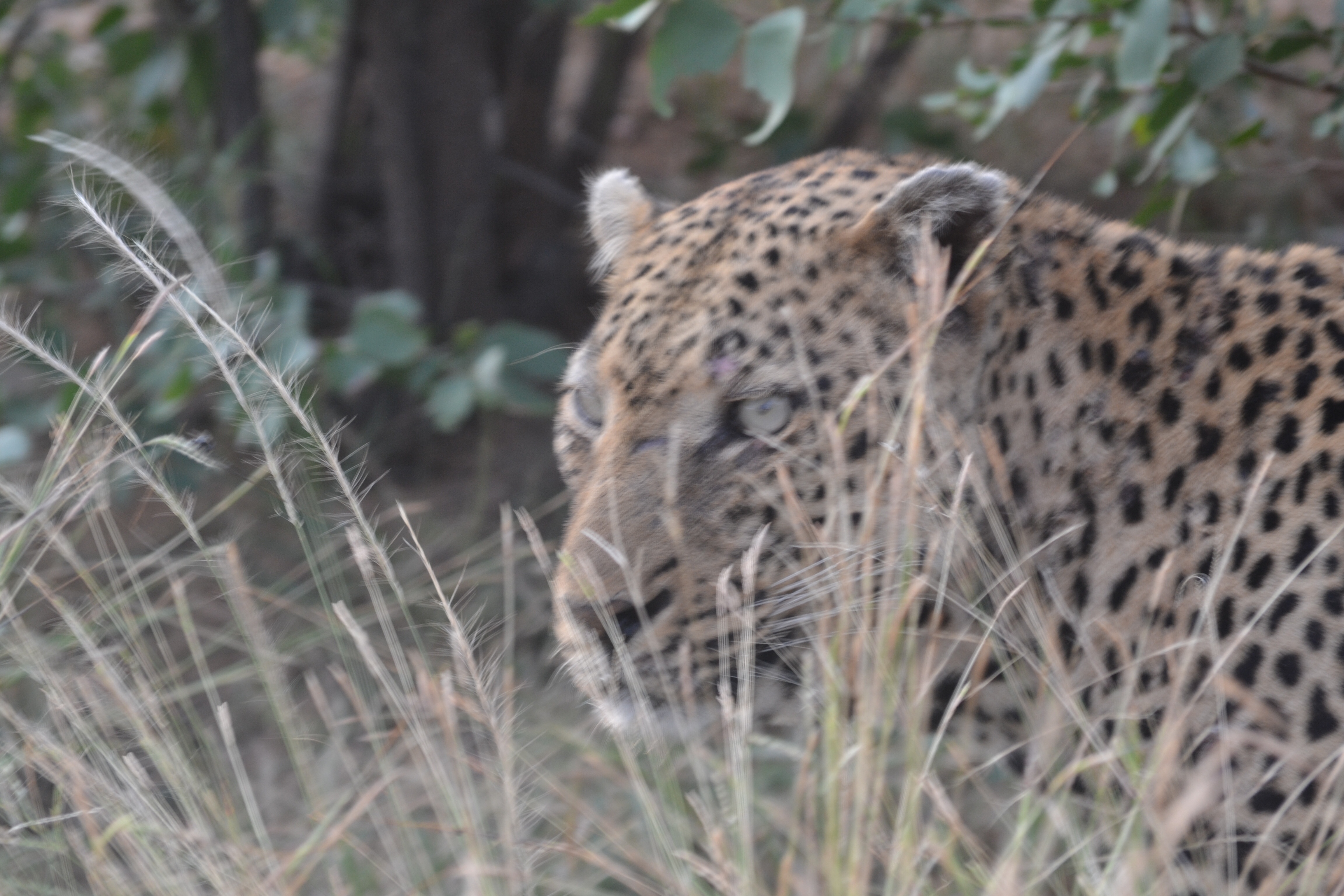
On Sunday, we took a day trip to Kruger! It was a public holiday so it was busy but we still had a great time and had some awesome sightings. We saw jackal, cheetah, elephant, hippo, wildebeest, zebra, giraffe, secretary birds, and A LEOPARD!! My first ever wild leopard!😍 It was the last thing we saw before we left the park and it made my whole trip. I’ve been wanting to see one for so long and I’m so happy I finally got to (although he was moving so much, my photos are not great). We also went to the museum at the Letaba Rest Camp where they have the tusks of the Great Tuskers of the park. These elephants all had tusks that weighed more than 100 lbs on each side! Luckily, all of these elephants except one died of natural causes inside the park.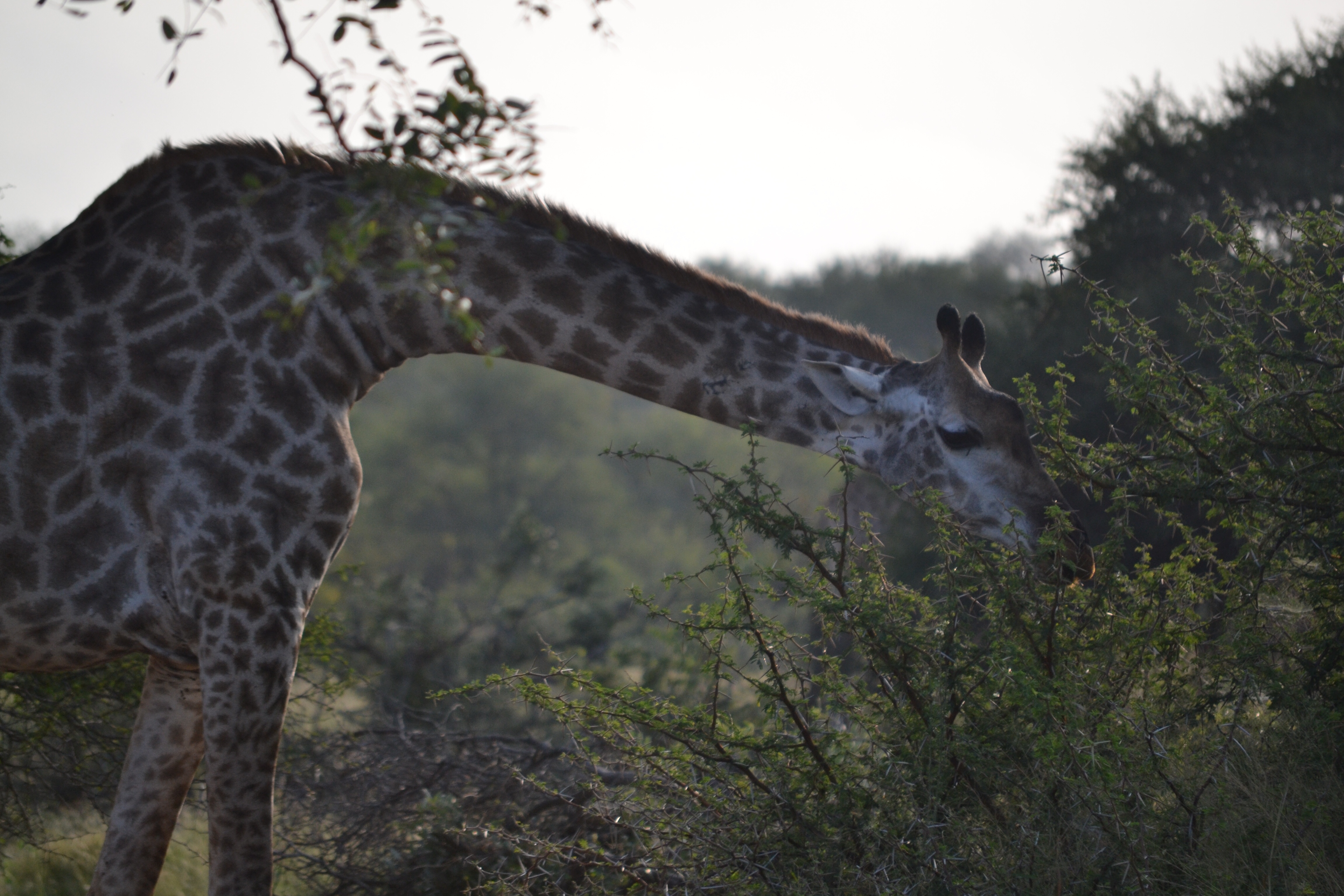
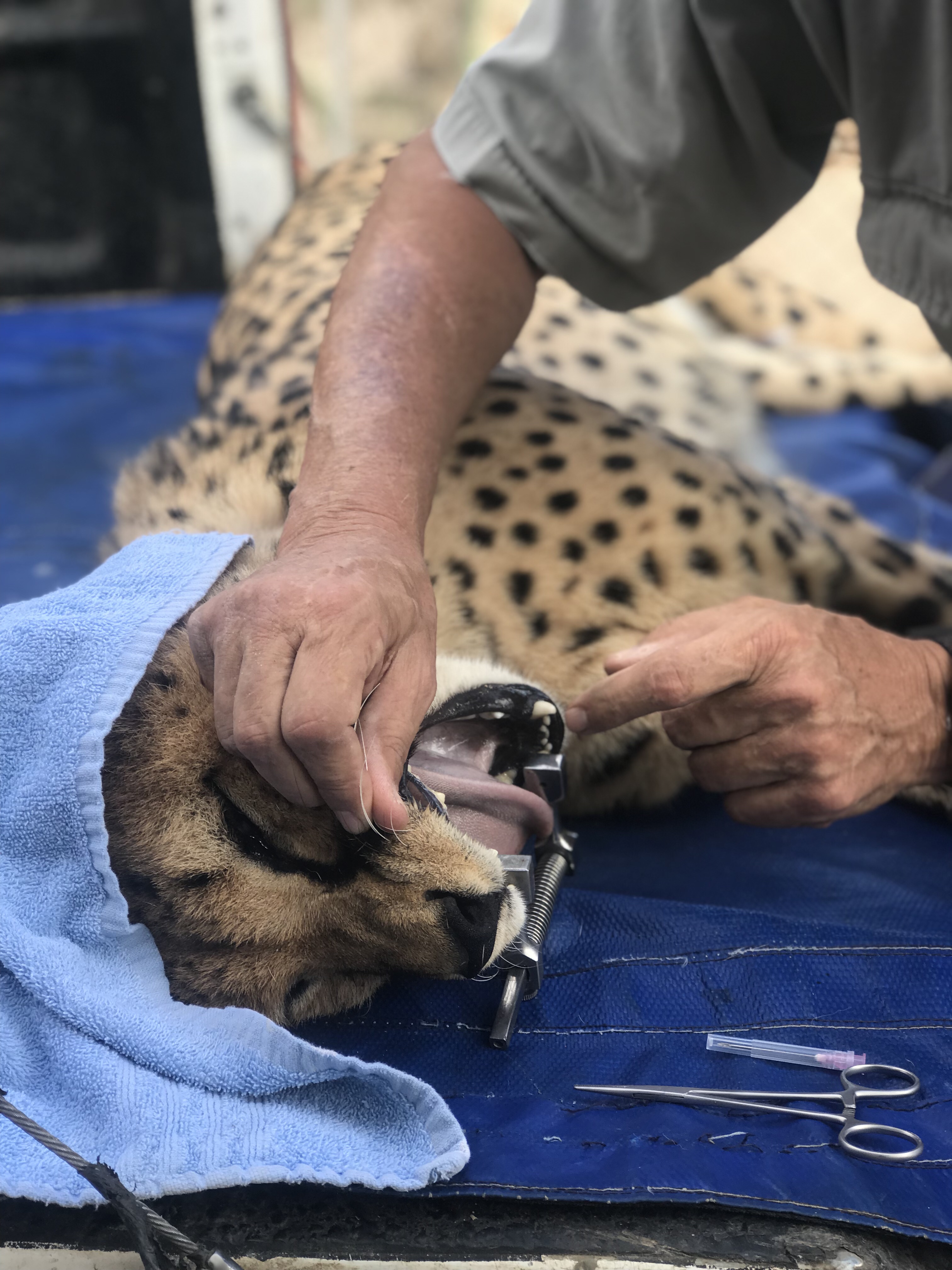
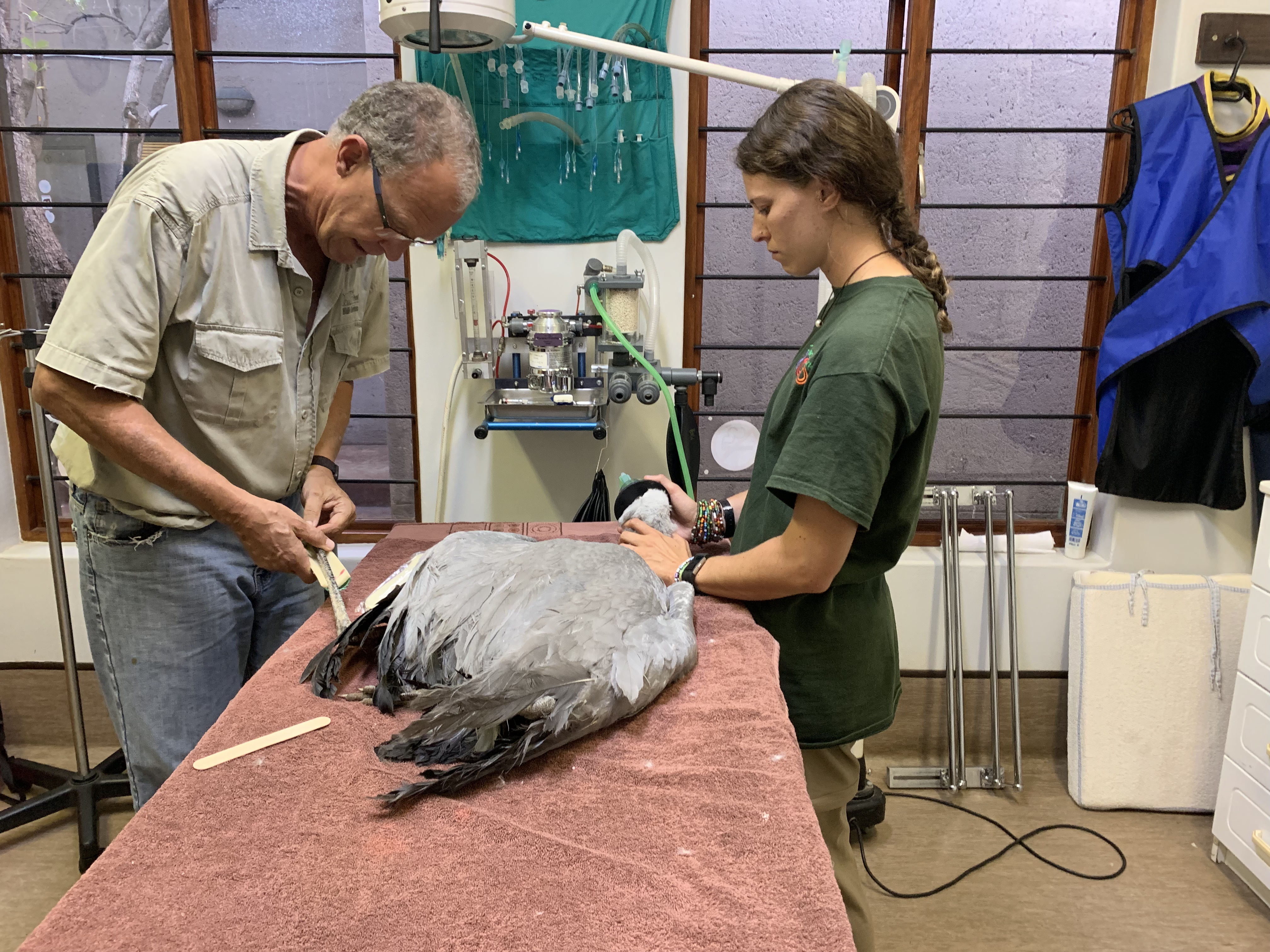
This week has been absolutely amazing and I’ve gotten to see so much! On Tuesday, we started the morning going to see a rhino calf that had an injured foot. He had stepped on something that had punctured his foot pad and caused an infection. Dr. Rogers cleaned out the wound and bandaged the foot so that moisture and debris wouldn’t get in and continue causing infection. Then, we went to check on a cheetah with a tooth problem. Once the cheetah was anesthetized, we found that the canine had fallen out quite a while ago and was healed but they must have just noticed the hole. Finally, we got back to the practice and had a blue crane chick (national bird of South Africa) come in because it wasn’t walking on one leg. X-rays showed an old injury that had healed but for some reason had caused the tendons to remain tightened so the bird couldn’t spread out its toes. Dr. Rogers decided to try to splint the foot with the toes outstretched. Unfortunately while fitting the splint, the chick stopped breathing and passed away. Birds get stressed out very easily and it can cause them to stop breathing and have a sort of heart attack which is what Dr. Rogers thinks happened with this one. 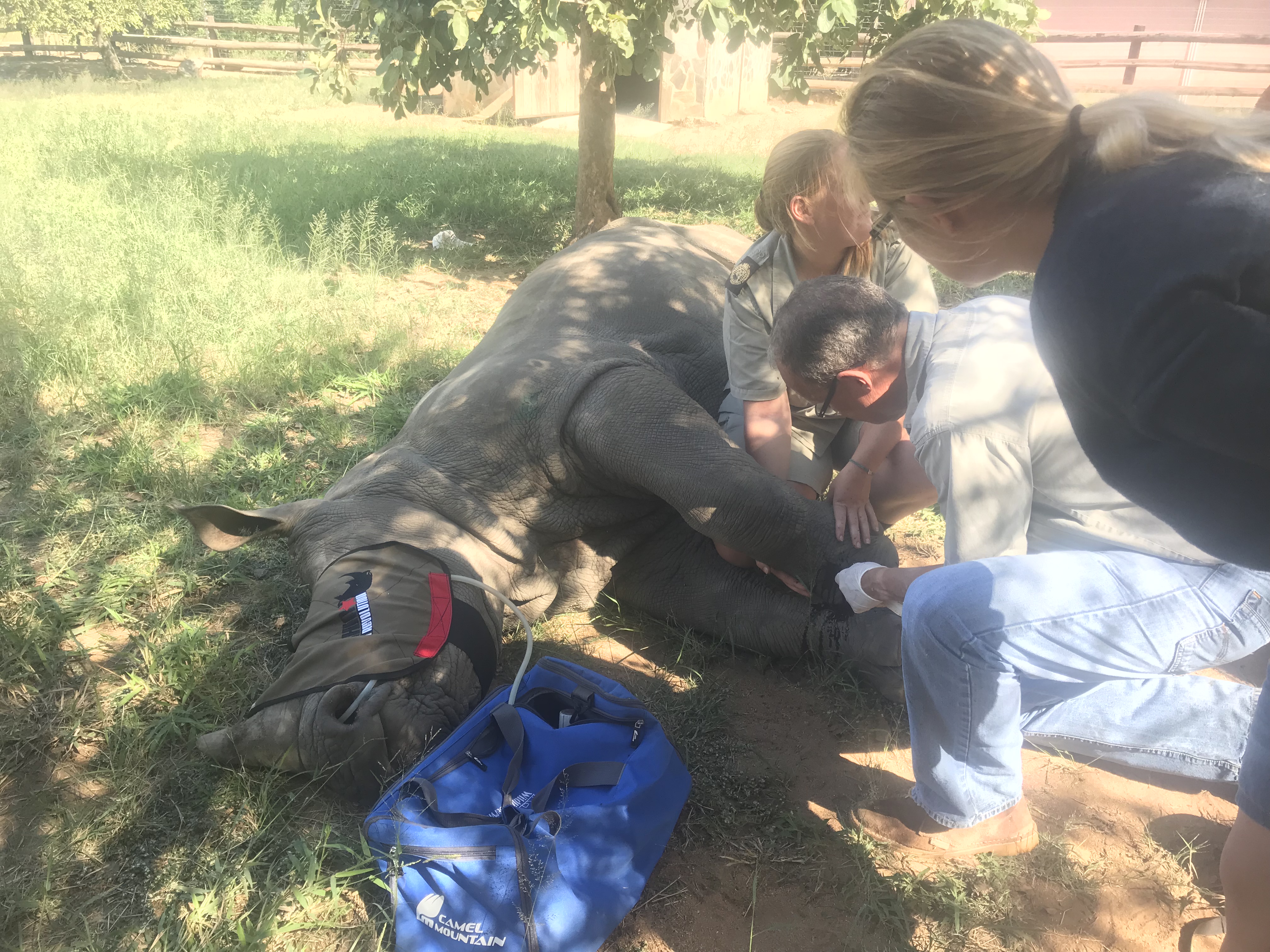
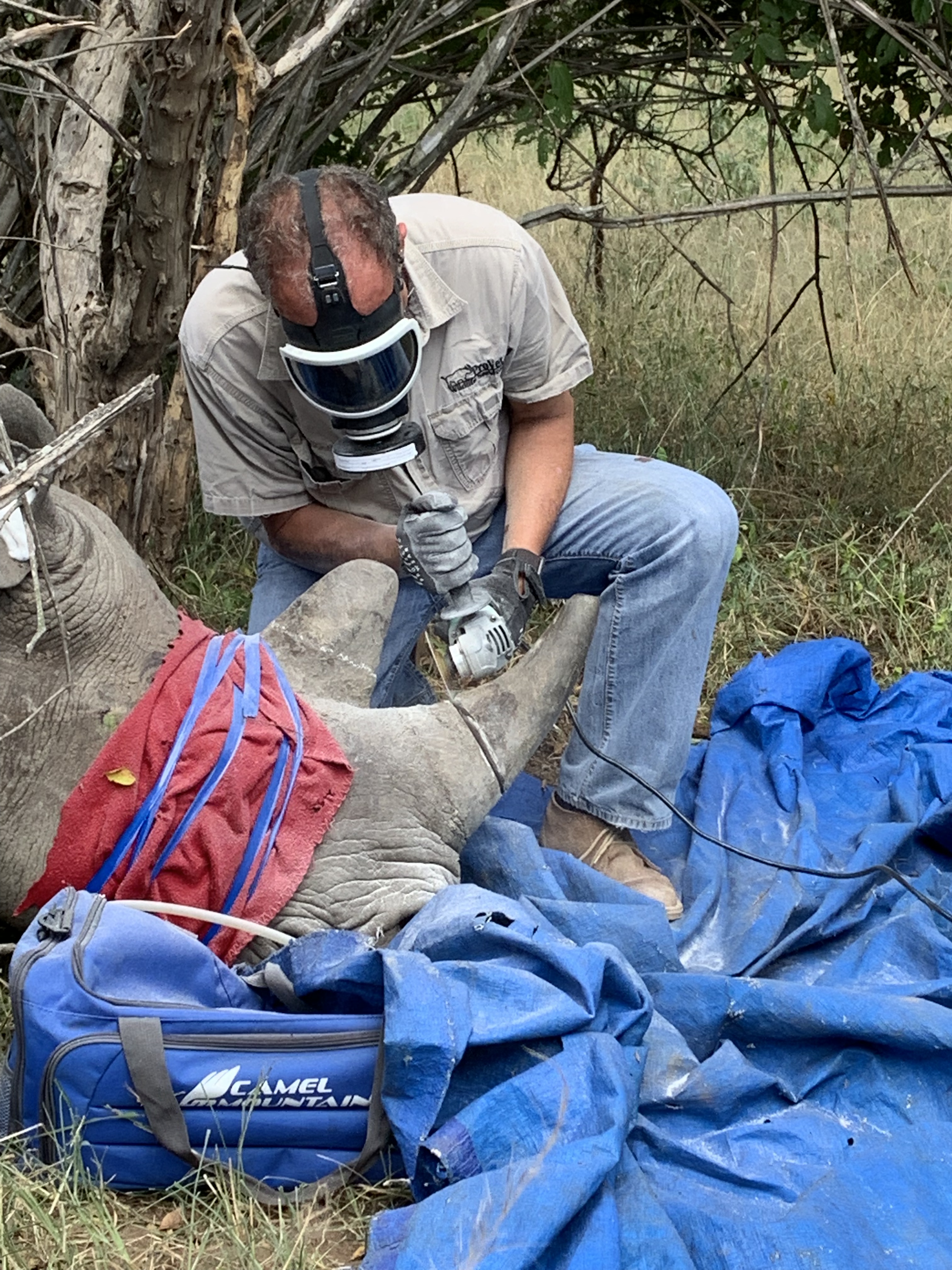
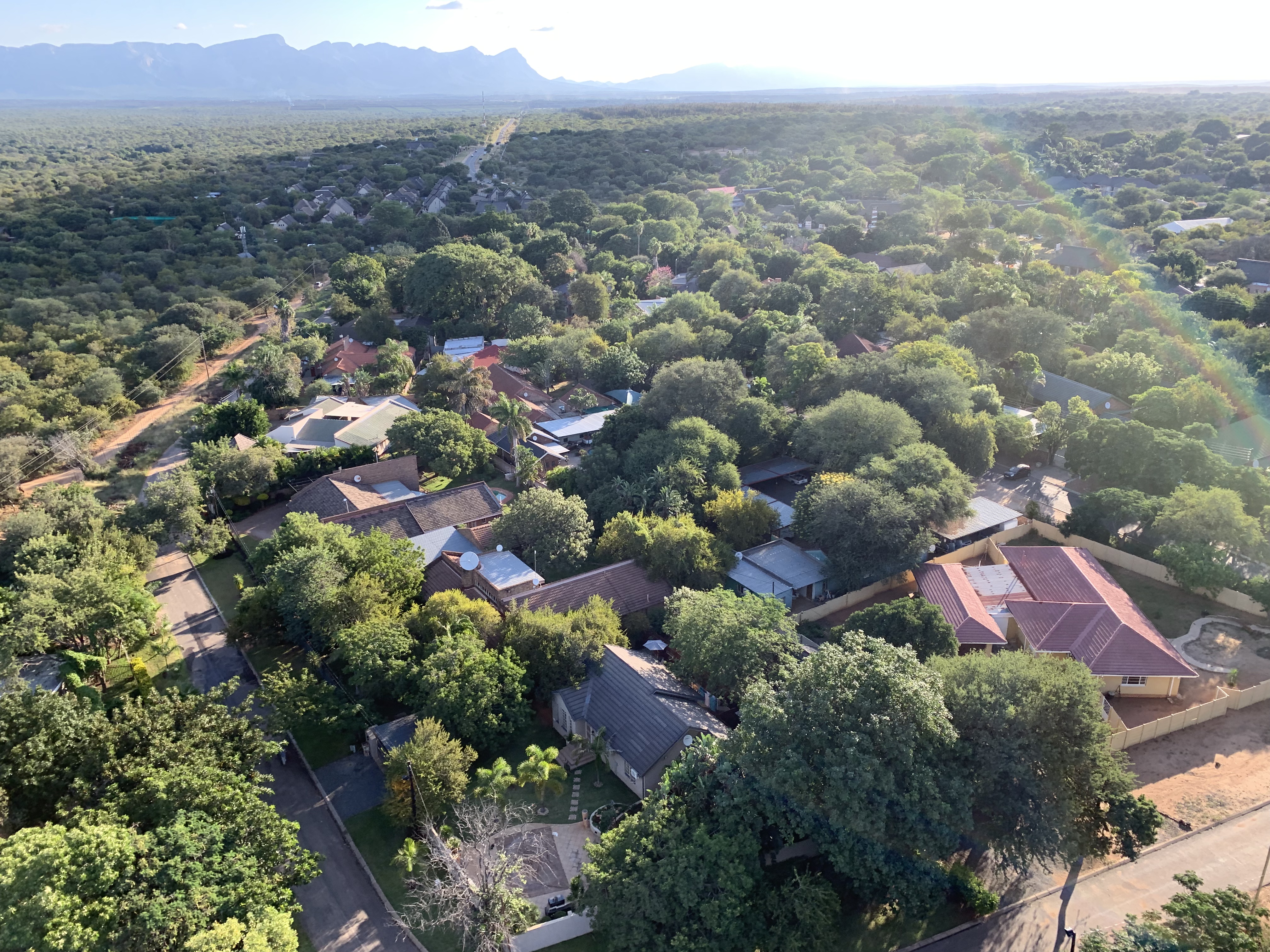
Wednesday and Thursday were devoted to dehorning some rhinos. The original plan was to do 1 white and 5 blacks but they found out that 3 of the black rhinos had calves. It is too much of a risk to dart a mother with a calf because the calves tend to run off and then they are unable to find their mom. We were able to do the white rhino and one black but the other black was never found. They are very good at hiding especially in the thick bush. We were lucky enough to get another ride in the helicopter at the end of the day! 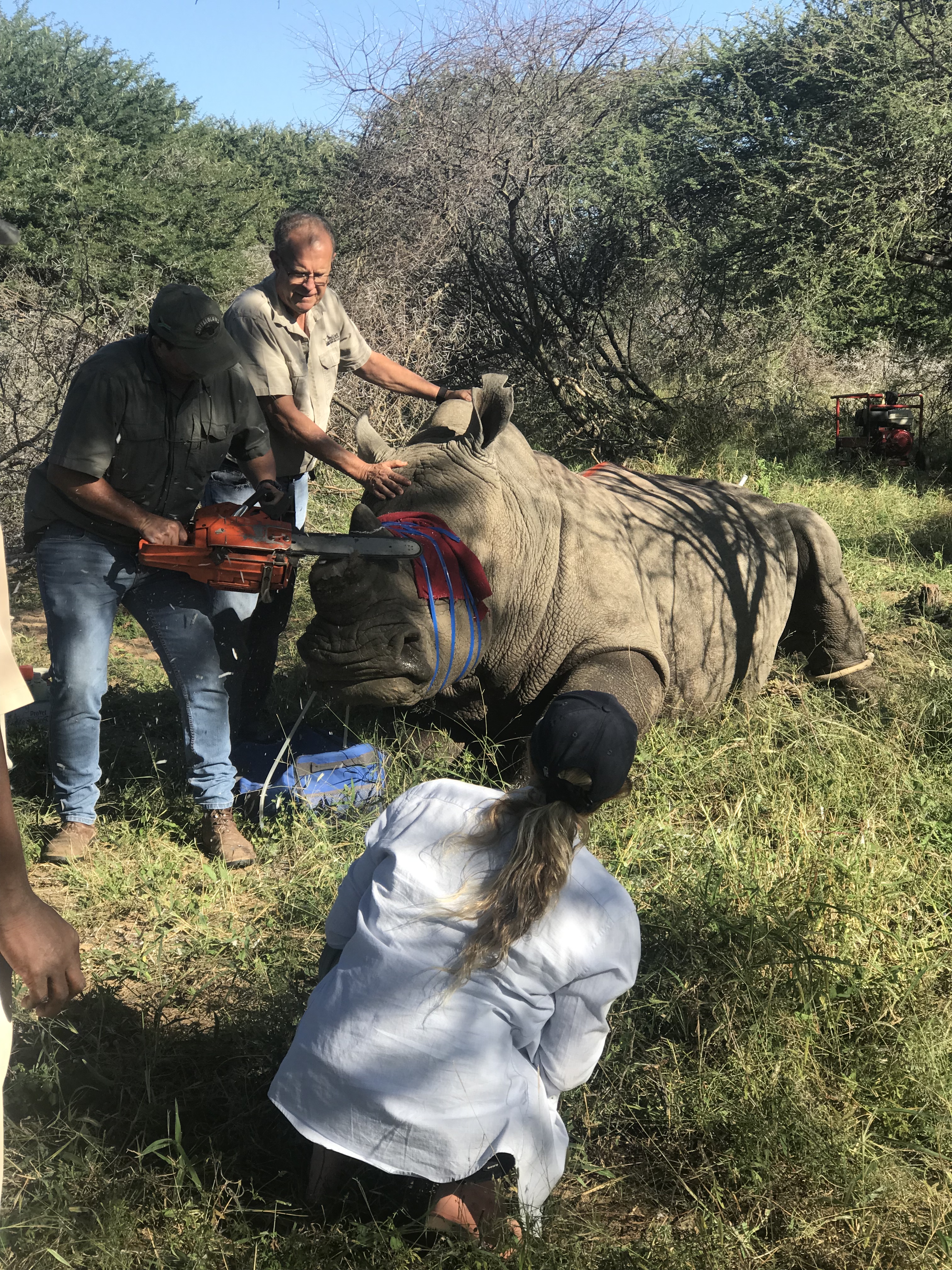
On Friday, we TB tested 4 young white rhinos. They have to be tested once/month for 3 months before they can be released. This was their second round of testing so they will be released in the next couple of months. Rhinos are TB tested through a blood test because it would be impossible to see a skin test result through their thick skin. 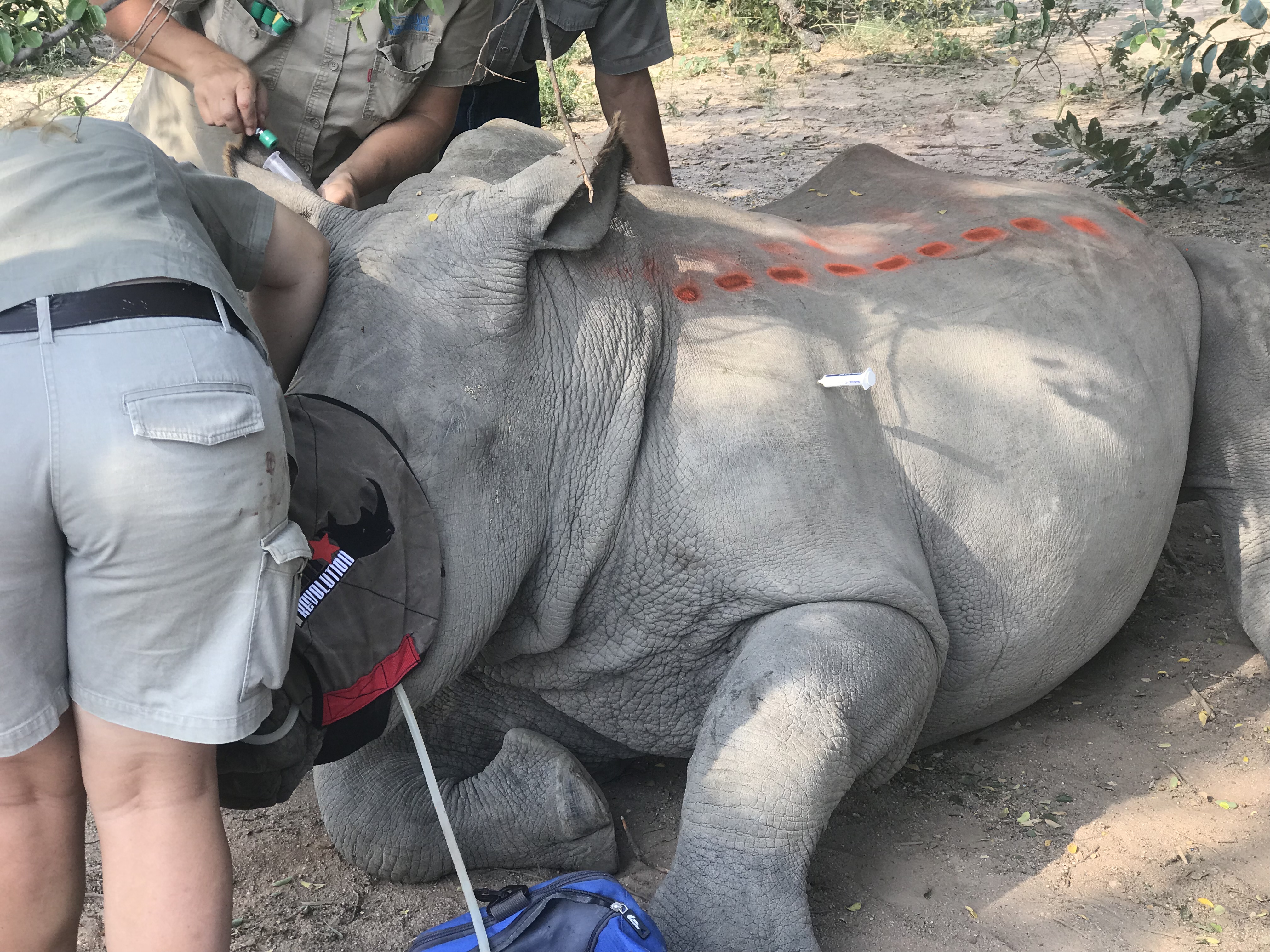
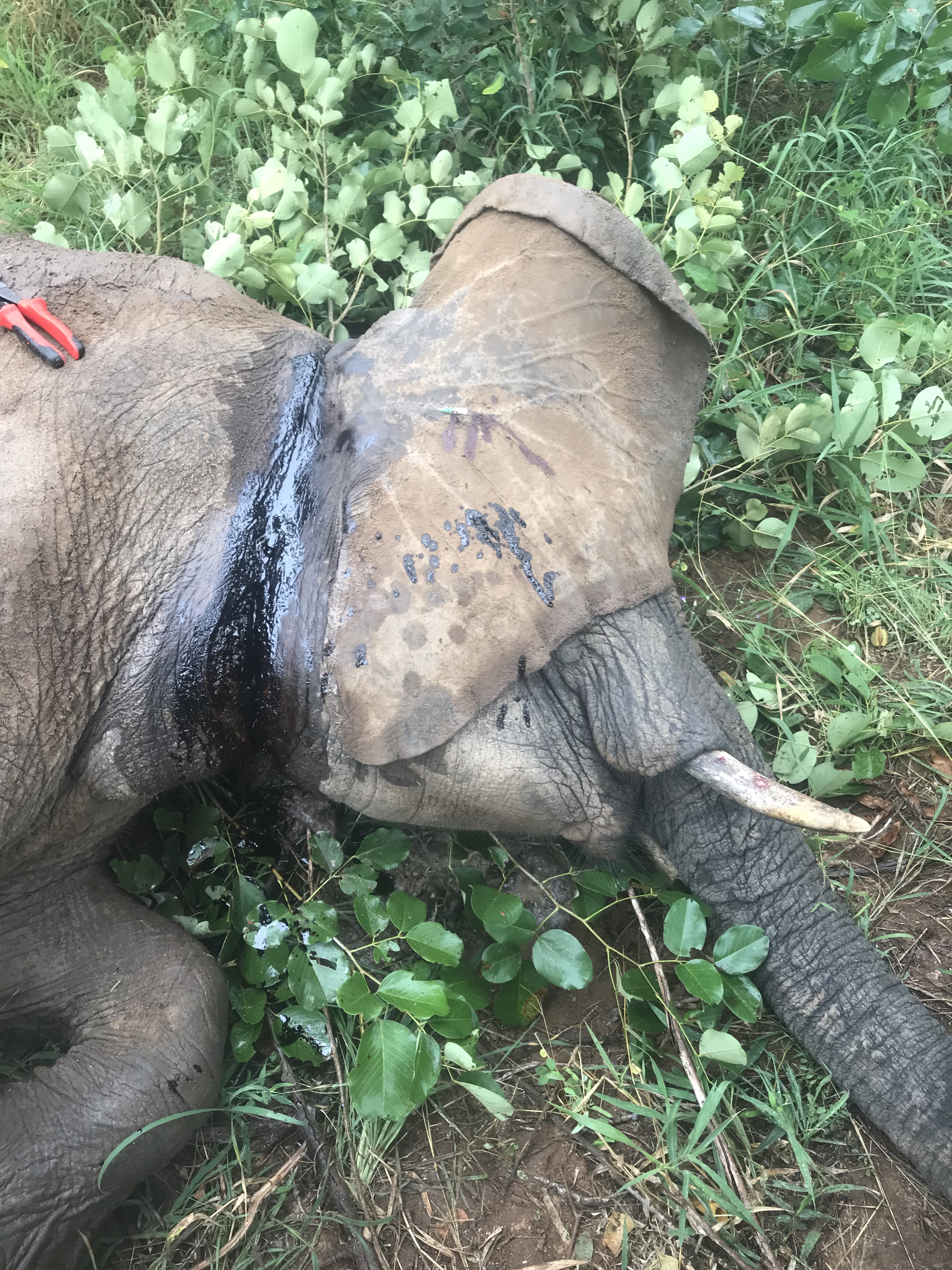
We had Saturday off to rest and relax. On Sunday morning, we got called out to see an emergency with an elephant. A young bull had gotten caught in a snare about a month ago and still had the wire around his neck. They knew it was causing him discomfort because he was separated from the herd and had been seen scratching on necks but he was very hard to find so they couldn’t get it off. Once Dr. Rogers got him anesthetized, they cut off the snare and cleaned the wound. It was obvious it had been on a while because of how deep the wound went into the neck. Luckily, wild animals are very tough and it will heal on its own in time. 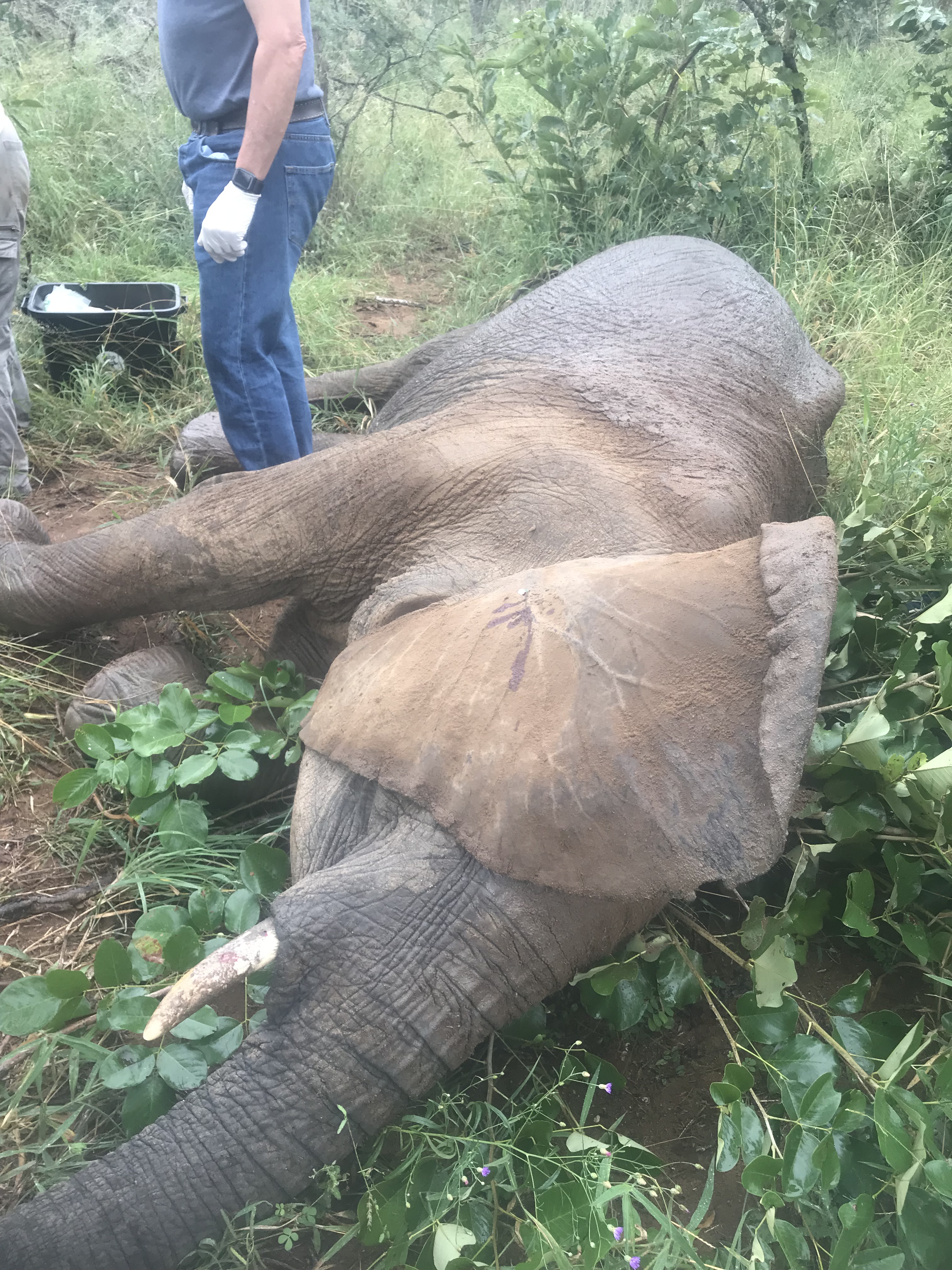
Next update later this week once I get settled in at my last project!


 Wandering Wildlife Vet
Leave a comment