
Childhood:
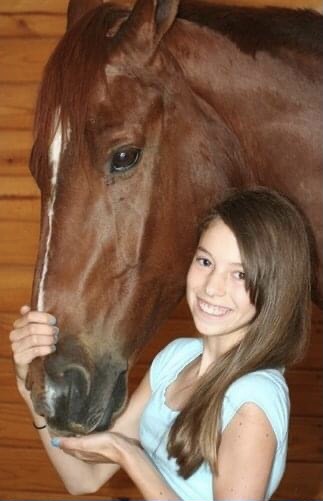
One thing that has remained constant throughout my life is my love for animals and nature. My mom always tells me that from the time I could talk, I spoke about animals. Growing up, we had dogs, cats, and hamsters. As soon as I was old enough, I attended a horse-back riding summer camp. My mom says that was one of her biggest mistakes ;). From there, I began taking regular riding lessons and became hooked very quickly. The first facility I rode at promoted not only riding skills, but also horsemanship. We were taught to spend extra time grooming and caring for the horses after we rode. My trainer told my mom that she was in trouble when little me came strolling through the barn carrying a pitchfork, twice my size, eager and ready to clean all the stalls. I always understood and appreciated all the work that went into being able to ride horses. If I was at the barn, I was happy. As I grew as an equestrian, I was exposed to the veterinary care that went into owning, riding, and competing with horses. I don’t remember a time in my life where I wasn’t going to be a veterinarian. As a kid, I imagined I would be an equine veterinarian because I knew that horses would always be in my life. I began competing in local horse shows after a few years and quickly became involved in the equine world. At 11, my parents and trainer gave me the opportunity to half-lease one of the horses at the barn. This opportunity taught me a lot about time management and responsibility. I also worked at the barn once or twice a month on the weekend. After a few years, I became a lead worker and oversaw the training of new employees.
High School:
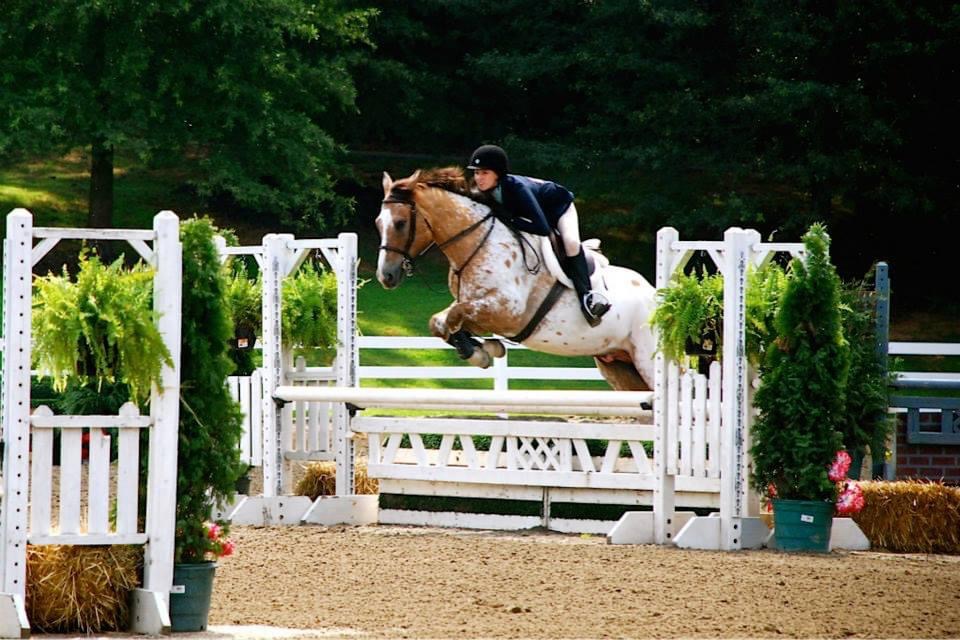
As I got older, my love for horses, the sport, and competing grew stronger. I left the barn that had taught me everything I knew to pursue the Hunter/Jumper discipline. It was a big change for me, but I felt I had reached the height of what I wanted to achieve there. I purchased a 4-year-old Appaloosa who had just started learning how to jump and dove headfirst into training him and myself in this new world. I joined my high school’s equestrian team and began refining my equation skills. In the first year of owning my horse, my parents bought a trailer and became the ultimate horse-show parents. We did everything on our own: drove to and from the shows, set up stalls, cared for my horse, and competed. Most of the time, I didn’t have a trainer with me. I loved my horse and the sport, but I quickly became frustrated with the politics of it all. I had many judges tell me after a ride that there was nothing wrong with my course, they just didn’t like the way my horse looked so I would never win against the “traditional horses”.
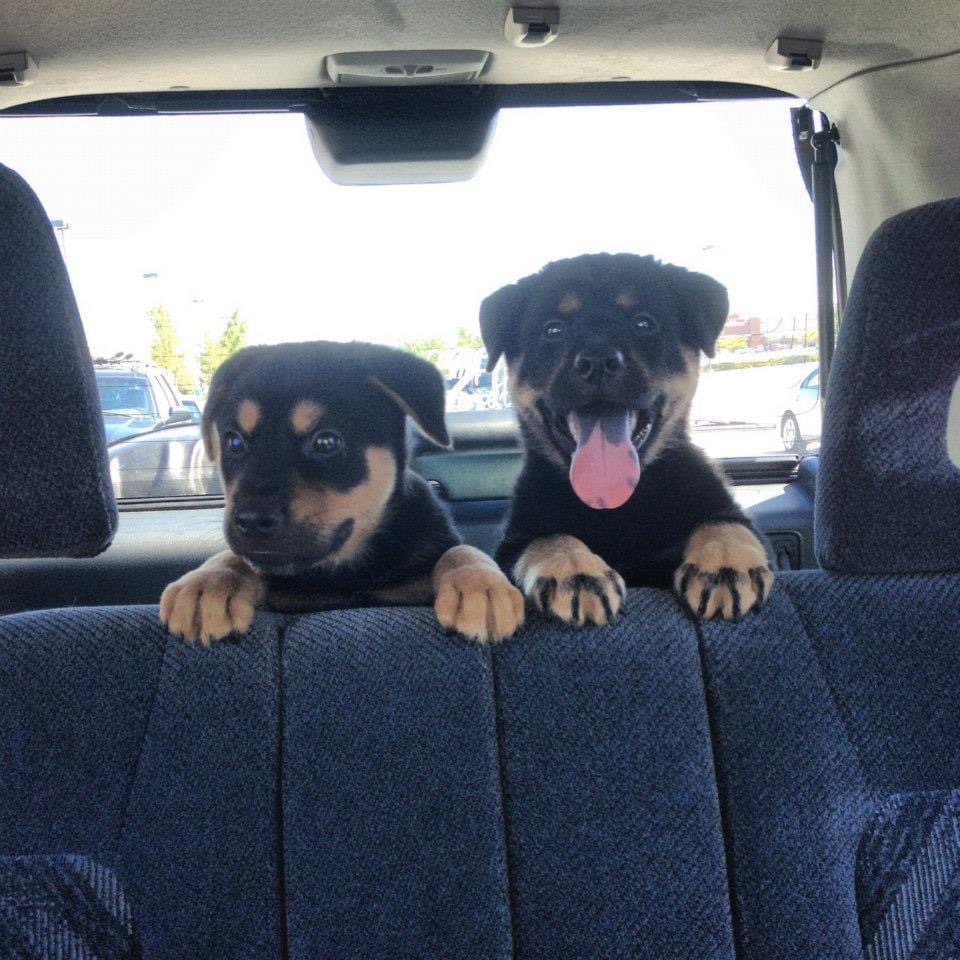
I got my first “real” job when I was 15 at the Georgia SPCA. I started as a kennel technician and worked my way up through the other areas of the shelter. I assisted the vet tech with medications and vaccinations, advised potential adopters on selecting an animal that was best for them, and fostered puppies that were taken in. Through this job, I realized that although I loved horses, I didn’t want to be an equine vet. The barn and horses were my sanctuary, and I didn’t want them to become work. At the same time, my childhood dog was suffering from cancer. I started to consider a specialty after I learned of all the opportunities that existed.
The University of Georgia had always been the school that I wanted to attend. I knew they had a great veterinary school, and they were in-state, so tuition was much lower. I applied as an early applicant and was accepted! I applied and intended to be an animal science major. This was a highly recommended major for anyone pursuing veterinary medicine because it met all of the prerequisites in order to apply. Once I knew where I was going for my undergraduate degree, I began planning for veterinary school. I imagined that I would attend an out-of-state school because vet school was expensive no matter where you went.
Bachelor’s Degree:
My first year of my bachelor’s degree was hard for me. I didn’t really find my place and UGA just seemed too big. I also wasn’t enjoying the animal science courses that I was taking and didn’t think I had any options to change it. I felt like I was going to have to either suffer through this degree or give up my dream of becoming a vet. I also thought that maybe I wasn’t supposed to be a vet because I wasn’t enjoying the classes I was taking about animals. After winter break, I attended a pre-veterinary club meeting about a summer opportunity in South Africa. I hadn’t traveled outside of the Caribbean, but I was intrigued by the opportunity. A veterinarian from UGA spoke about a trip she organized every year to a cheetah reserve in South Africa. I knew I needed to experience something different than what I had been doing and this sounded like an opportunity I couldn’t pass up. I presented the idea to my parents and they were hesitant at first but eventually, allowed me to sign up.
After I signed up for the trip, things seemed to fall into place for me. I found a solid group of friends and I felt like I was finally on the correct path. As the trip got closer, I was doing more and more research into Africa and its wildlife. I learned more about the opportunities as a vet to work with wildlife and zoo species. This felt like the direction I was supposed to go. I spoke to my advisor about changing my major and even though he strongly discouraged it and told me that there wasn’t going to be any opportunities for me, I decided to change. Before I ever worked with wildlife, I changed my major to Fisheries & Wildlife. The courses I would be taking, animals and people I would interact with, and opportunities I would have were completely different.

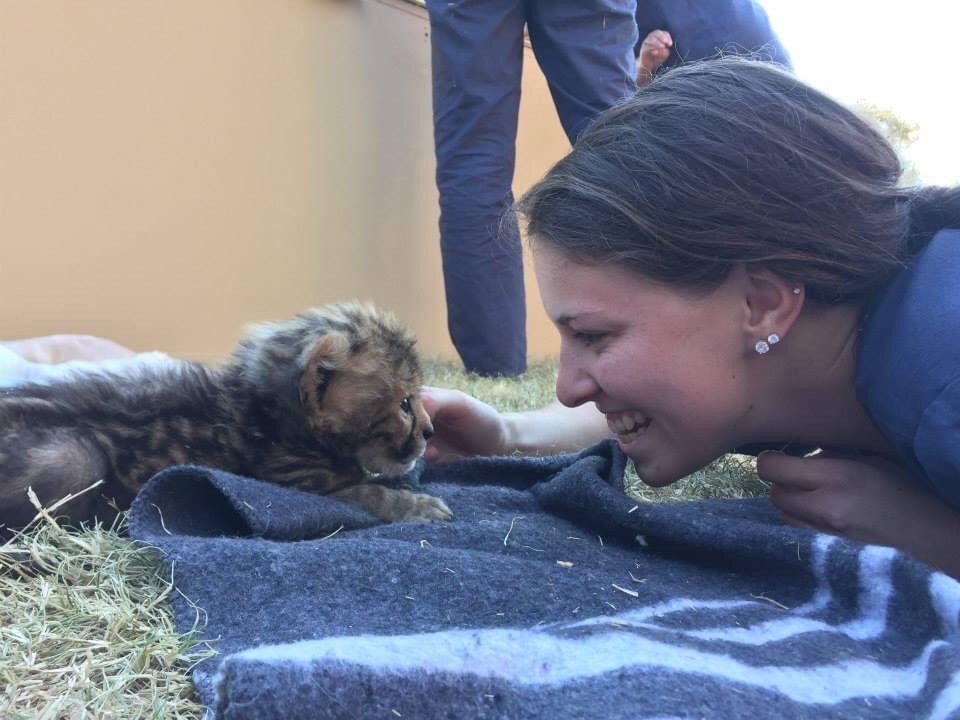
I spent two weeks that summer in South Africa at the Shingwedzi property of the Ann van Dyk Cheetah Centre. Most of the work we did was related to animal husbandry and care. A few of the days were dedicated to vet work and annual exams on the resident cheetahs. Those two weeks changed the course of the rest of my life. They say that some people catch a bug when they go to Africa for the first time that continues to pull them back over and over again; well, I caught that bug, bad. I never knew how much opportunity there was to work with species other than dogs, cats, and livestock. Once I knew, there was no turning back and I dove head first into pursuing a career in zoological/wildlife and conservation medicine. The moment I stepped off the plane, I told my parents that I would be going back the next summer, one way or another. They had no idea what they had gotten themselves into.
The following summer, with the help of African Conservation Experience, I spent 8 weeks in South Africa working on three different wildlife projects. My first stop led me to Hluhluwe, South Africa where I stayed on a private game reserve and assisted the research team with data collection. We spent most days driving around the reserve counting and tracking different species of interest. We developed an identification system for their elephants using ear characteristics and monitored the effect of dehorning on the movement of their white rhino. This was my first exposure to game drives and a multitude of species that I had only imagined seeing in zoos before. My next stop would be Louis Trichardt, South Africa where I observed and assisted the veterinary staff with field immobilizations of wildlife and small animal procedures. Immobilizations were a part of veterinary medicine that I had never been exposed to before, but I quickly fell in love with them. I saw myself doing this for the rest of my life. My final stop was at the De Wildt property of the Ann van Dyk Cheetah Center. This time, almost every day was related to vet work. We did annual exams, castrations, and any other illnesses that presented.
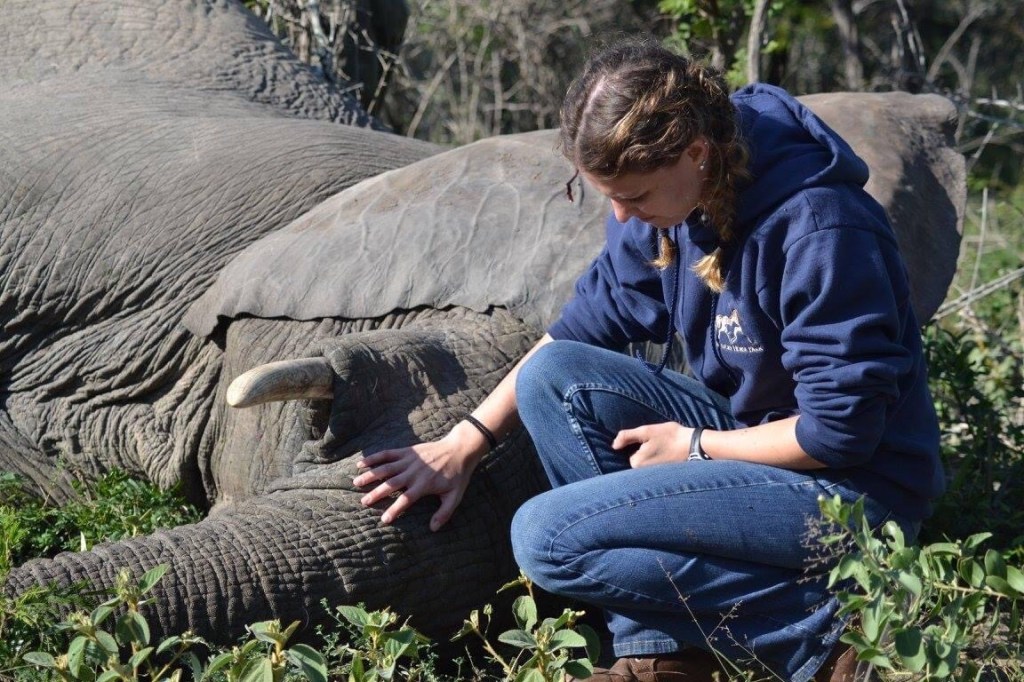


When I returned from my second trip to South Africa, I still had a longing to spend an extended period over there. I began researching and planning a way to make that happen. At this point, I was about to start my junior year and classes were getting harder and more time consuming. I decided that I would take at least one year off between my bachelor’s and vet school to have enough time abroad. My plan was to get a postgraduate degree, similar to a master’s from a South African university in zoology, conservation, or wildlife management. I thought this was just about the only way that my parents would let me live abroad for a year. However, during my junior year, I suffered through Organic Chemistry and Physics. By the end of it, I was extremely burnt out and didn’t see how I could survive another year of undergrad, a master’s, and veterinary school. My mom saw the burn out and suggested that, instead of doing a master’s, I volunteer since that is what I loved. I never thought that would be an option, but I immediately jumped on the idea. As always, I got to researching my options and how much it would cost. At the end of my junior year, I got a job at a local general practice clinic. Vet school requires a lot of hours working directly with a veterinarian in order to be accepted. I had no real experience in a small animal clinic so I thought this job would allow me to see that side of the career and make money to pay for my upcoming time in Southern Africa. I worked as a veterinary assistant helping with exams, drawing up vaccinations, running bloodwork and diagnostic tests, assisting with X-rays, and working in the boarding facility.
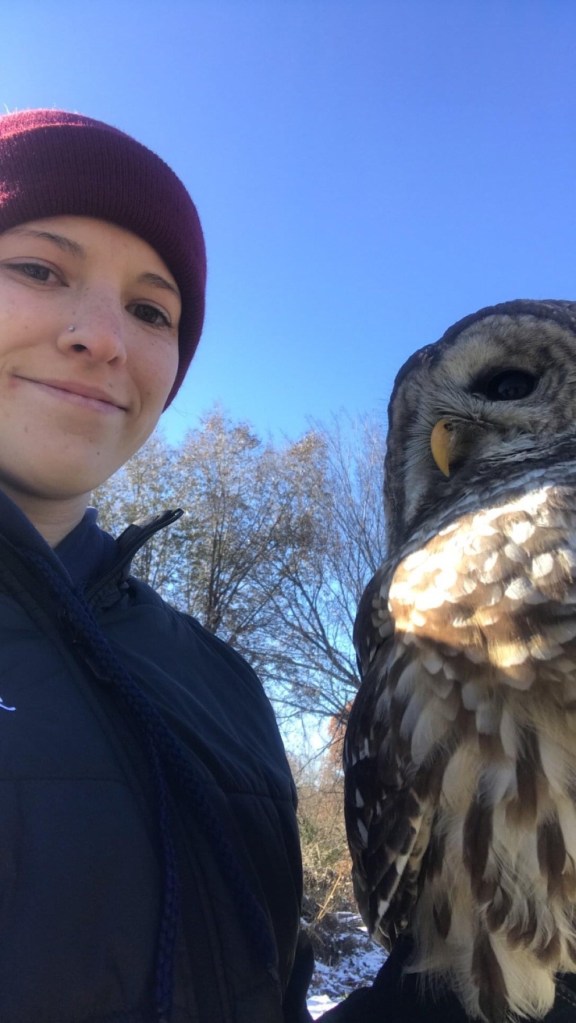
During the summers, I interned at the teaching hospital on campus in the wildlife service. As interns, we were responsible for administering medications and all treatments for any native wildlife that was brought in. I learned how to manage and treat raptors, songbirds, small mammals, waterfowl, and reptiles. I also got to listen to the clinical students and clinicians when they did rounds and learned a lot of medical terminology about diseases and medications.

As a Fisheries and Wildlife major, students were required to either complete a thesis-based research project or develop a management plan for a landowner in the state. I chose to do research with my advisor. Her lab did research on White Ibises and associated conflict with humans. My project was a diet-based studying looking at resource provisioning. White Ibises are commonly found in parks and other urbanized areas in their range in South Florida. Due to the proximity to large groups of people, these birds are commonly fed bread, chips, and other snack foods. My study was designed to determine if there was a preference for natural diet items over these “human” foods. I spent the summer preceding my senior year observing the captive ibises eating habits and collecting data. Part of my senior year curriculum was dedicated to analyzing that data and writing a full thesis to be defending at the end of the year. While I learned that I do not want to be a full-time researcher, I gained an understanding for the importance of research and how much effort goes into every single paper that is published.
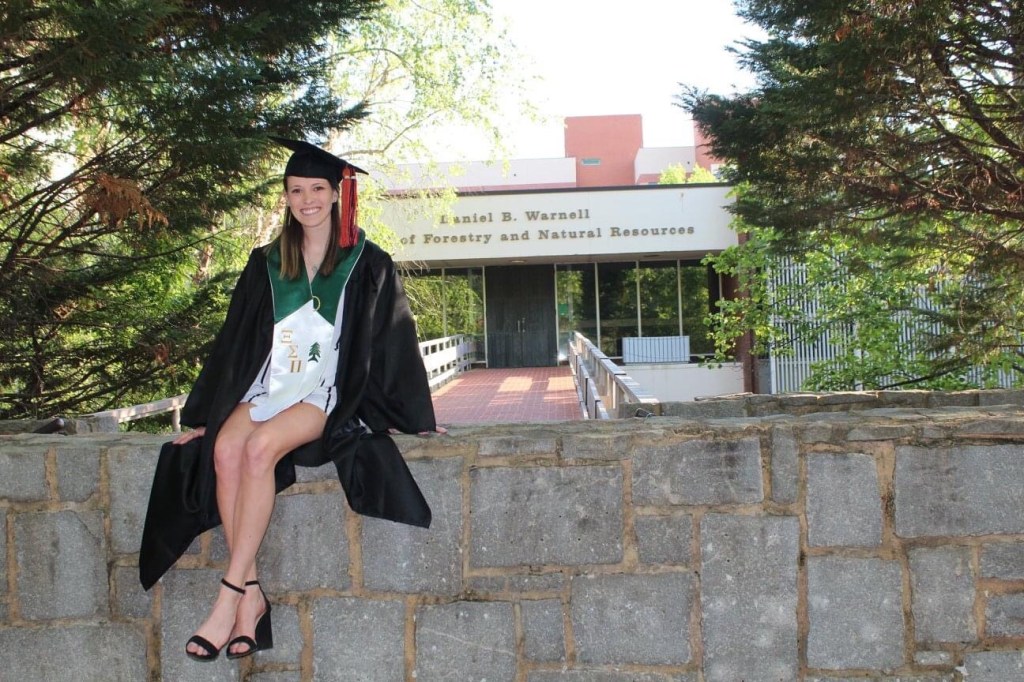
I graduated in the spring of 2018 with a Bachelor of Science in Forest Resources with a major in Fisheries & Wildlife and minors in Ecology and Biology. I had accumulated veterinary experience with small animals, horses, wildlife, and in research. I felt prepared to apply to veterinary school the following fall with the hope of joining the class of 2023. I had saved up enough money to finance 6 months of volunteering in Southern Africa in 3 countries. I was on my way to making my dreams come true.
Gap Year:
I spent the rest of the summer following graduation working at the small animal clinic making as much money as possible. I had determined that my career path was leading me to a job in a zoo. With no experience in a zoo setting, besides being a visitor at many, I decided it would be beneficial and important to spend some time working in that environment. I applied for an internship with the veterinary department at several zoos around the US. I decided to accept a position at the Dickerson Park Zoo in Springfield, Missouri. I spent the fall living and interning there. My duties were split between the veterinary staff and the keeper departments. I gained a holistic view of how a zoo operates and what goes into the day-to-day care of the animals in the collection. I also got to see the duties and responsibilities of a zoo veterinarian. It all fit perfectly with my goals. I had an amazing mentor who taught me so much and I look forward to getting to work with him again as a clinical student.
When I finished my internship, I returned home for a month to pack and prepare to leave for Africa. Packing for 3 countries, 6 months, and 3 different seasons proved to be a challenge but packing cubes and advise from other travelers made it easier. In January of 2019, I left for what would be the best 6 months of my life. I started my experience in Bulawayo, Zimbabwe at Chipangali Wildlife Orphanage in an animal care volunteer position for 6 weeks. How lucky I was to have this experience first. I absolutely fell in love with the place, animals, and people that I met there. I cried like a baby when I left. My next stop was Windhoek, Namibia at Naankuse Wildlife Sanctuary for 4 weeks. I did many different activities while there including animal care and research. I went to all 3 of their different properties and spent time traveling around Namibia. While there, I found out that I was accepted to the University of Georgia College of Veterinary Medicine. When I left the US, I didn’t know what would happen but having that weight off my shoulders allowed me to enjoy the rest of the time without a care in the world. Everything was working out the way I had always hoped, and I was in Africa so I couldn’t be too upset. Finally, I returned to South Africa for 3 months. I split my time between two different wildlife veterinarians in very different parts of the country. I had friends join me on my final project when I returned to Louis Trichardt to work with the same veterinarian I had been with 3 years prior. For more details on these experiences, check out my other blog posts (eventually will be under the tab “Gap Year” after I figure out how to format my website the way I want to).

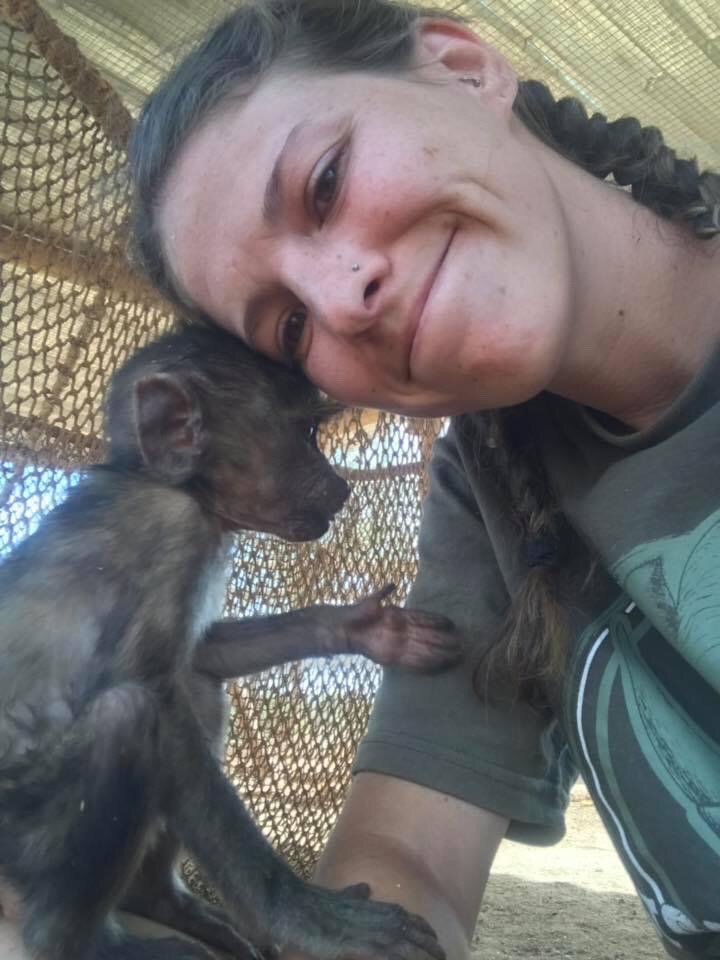
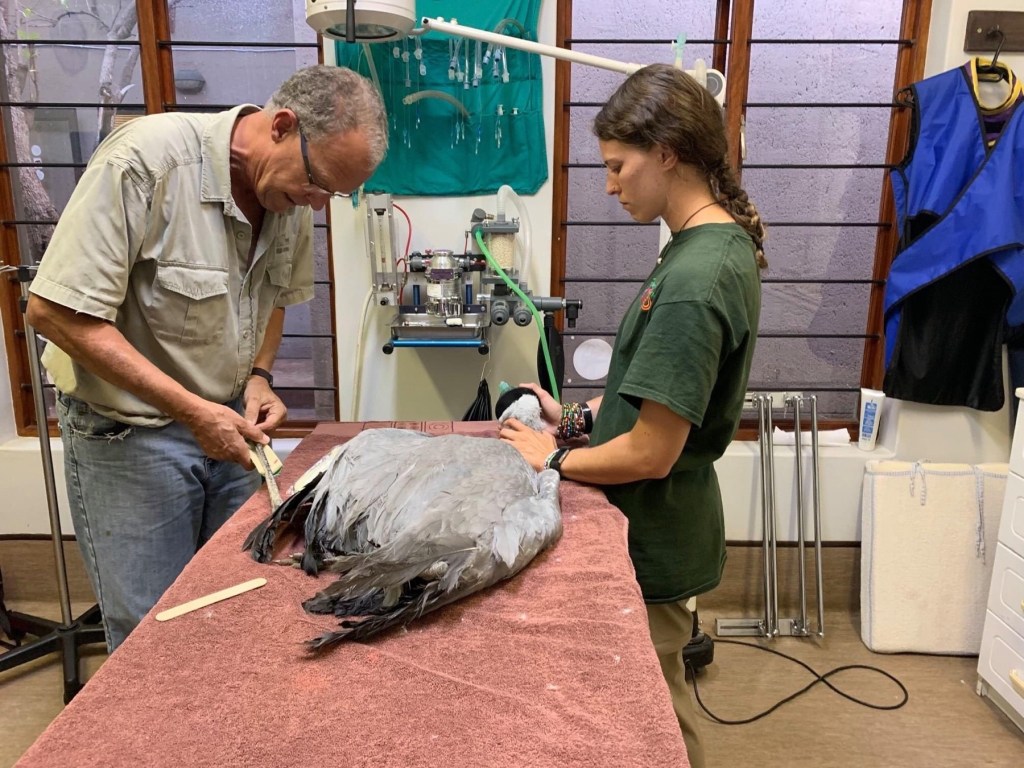

I wouldn’t change any of my time for anything (except maybe to have made it longer). I learned, saw, and experienced so much that I will hold with me for the rest of my life. I met lifelong friends from all parts of the world. I did things I very thought I would, or could, do but I am so thankful that I did. At the end of it all, my family met me in South Africa after 5 ½ long months without seeing each other and we got to travel to 3 countries together. I got to show them what all the hype was about and why I couldn’t get enough of the continent.
Veterinary School:
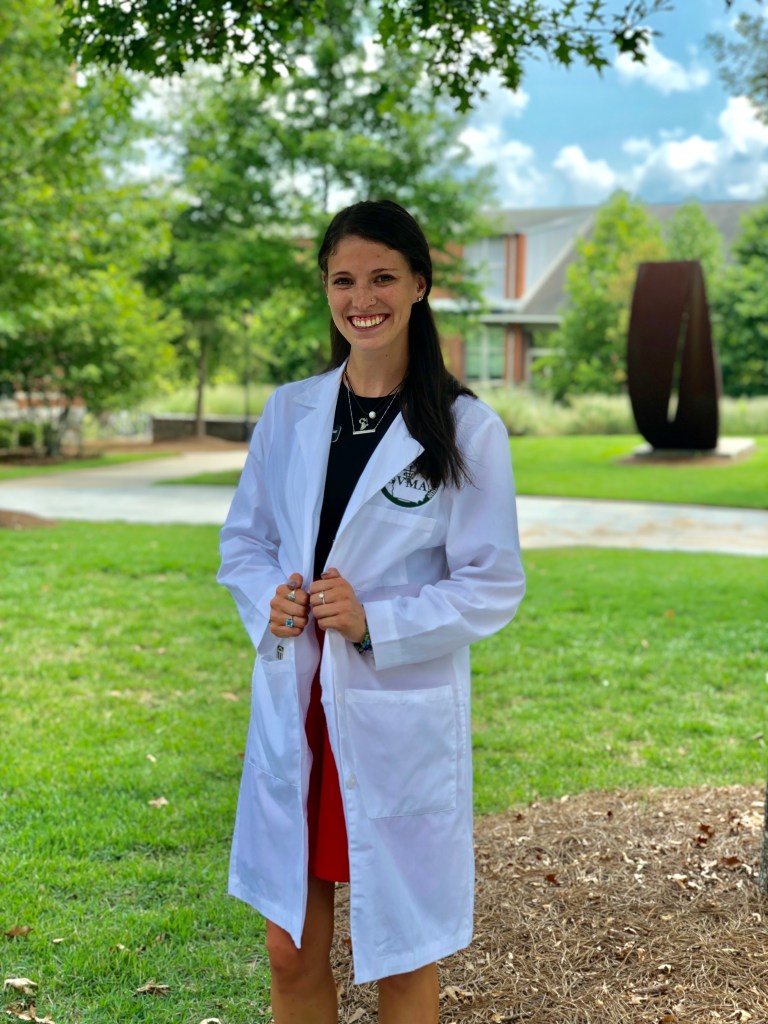
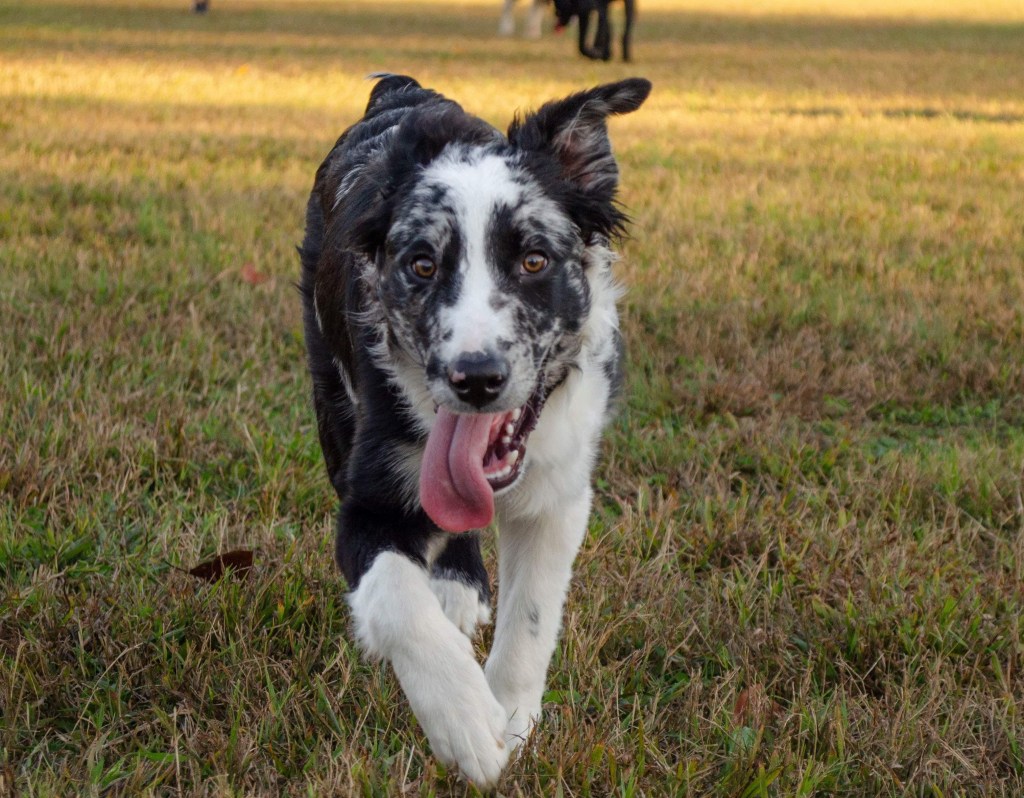
I returned home, packed up my stuff, got a dog, and moved to start veterinary school. And that’s where I am now, half-way through the four-year program that will culminate in a little girl’s dream of being a veterinarian coming true. Stay tuned for more content on externships and guaranteed time in Africa. Thank you for reading and I hope you enjoy following my journey!
 Wandering Wildlife Vet
Leave a comment