
Veterinarian medicine has many areas of focus within the career. One of the biggest decisions veterinarians need to make when choosing their career path is whether they want to be in a clinic setting or working in the field. Small animal veterinarians typically work in a clinic while large animal veterinarians work in the field. Wildlife veterinarians can choose between both. The University of Georgia has a wildlife and exotics department within the hospital and zoo veterinarians usually have clinics on site that they work in. In other parts of the world and for veterinarians that work with free-ranging wildlife, they primarily work in the field. Whether you work in a clinic or in the field, there are challenges and advantages to both environments.
Clinic Work Advantages:
- Access to equipment
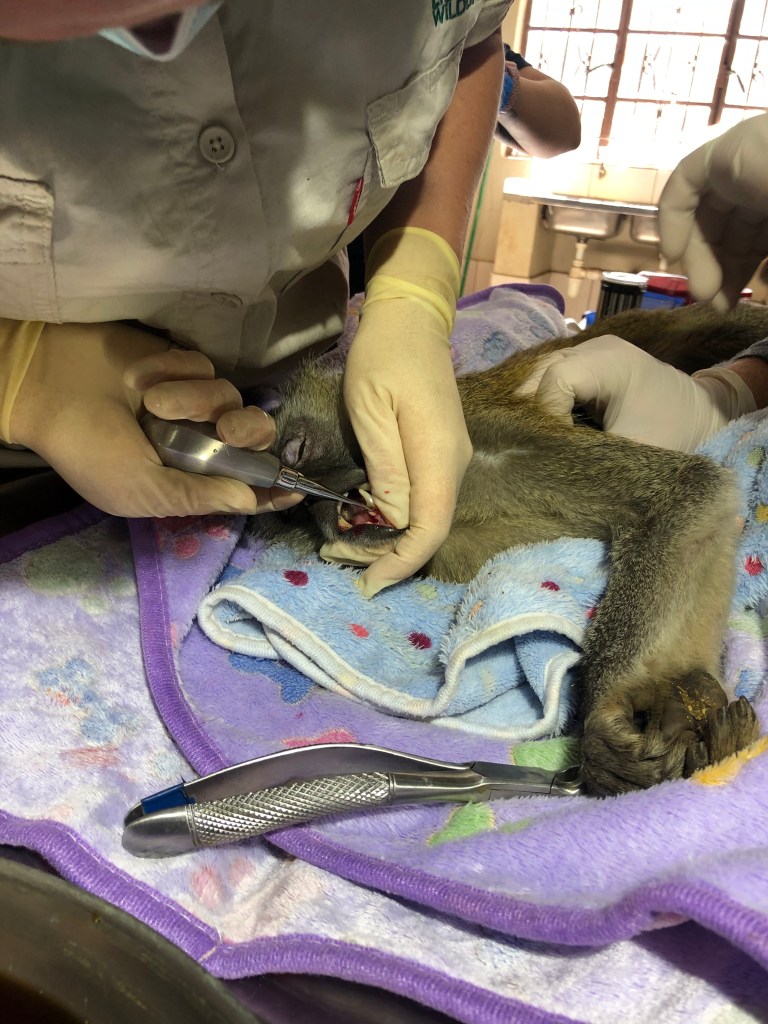
When working in a clinic, you have access to everything you could need. You have drugs on hand in case you find something you weren’t suspecting, or an unknown problem arises. You may discover that you need to perform surgery on your patient. The surgical instruments, drugs, and monitoring equipment are there at your disposal. You also have access to assistance. More than likely, your staff is there and can be called to help if needed. For wildlife, you would have access to cages and enclosures where the animal can recover from anesthesia.
- Control of the environment
For one, you don’t have to worry about weather. You can work rain or shine, hot or cold. Even if there is no heating or air conditioner where you are working, you can bring in fans or heat lamps. You also have control over who is around. If you need it to be quiet, you can dictate how many people or noise is present. If something goes wrong, you can quickly get the situation under control.
- Control of the patient
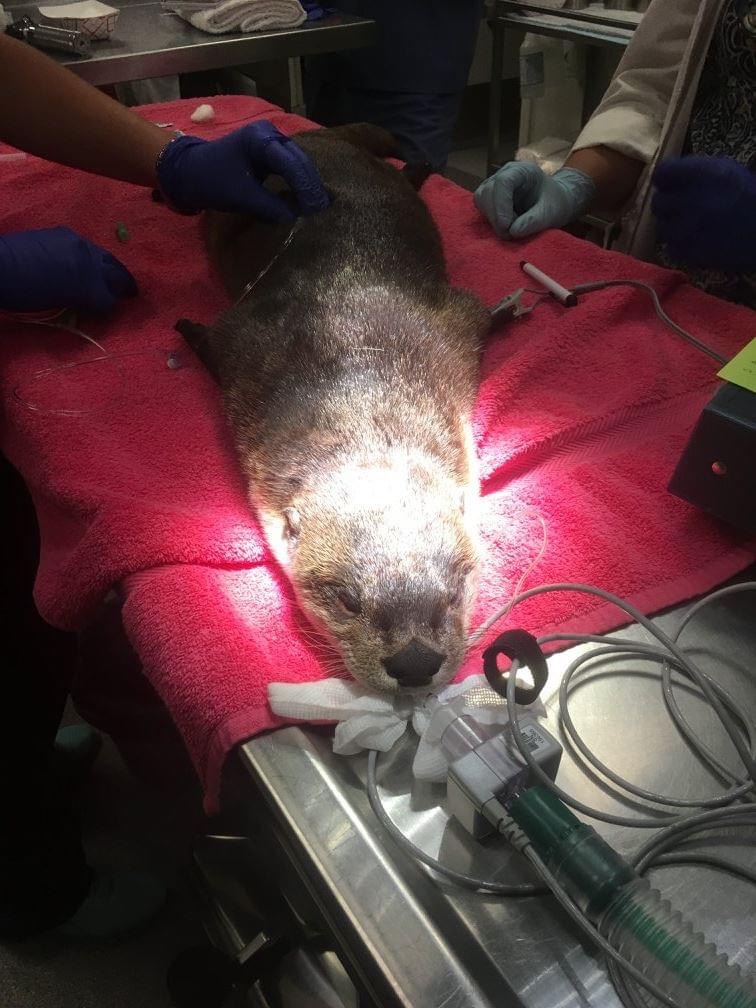
As with access to equipment, you can control anesthesia and recovery. You can observe the animal in a confined area where they can’t hurt themselves. If you are doing anesthesia, you can fast the animal for the appropriate amount of time to reduce the likelihood of post anesthetic issues. You would have exact weights of the patients for drug calculations.
- Cleanliness
Clinics are typically very clean. You can also create a sterile environment for surgeries or other procedures if necessary. You can dispose of waste materials, including needles with dangerous drugs, properly and quickly so that there is no risk of exposure from other people.
Clinic Work Challenges:
- Changed Behavior
Animals tend to act differently when they are in unknown environments or situations. They tend to hide pain or fear unless they are severely ill because they feel threatened and vulnerable. This can impact your ability to properly diagnose issues. If you can’t see it or feel it, you can’t diagnose it.
- Responsibility is all on the veterinarian
While you may have more assistance in the clinic for medical procedures, field settings provide support from other people. When in the field, you are with the owners or park managers or researchers. These people are there to support you in your medical decisions and they are very familiar with the animals you are working on. They may be better at handling or evaluating the animals than unfamiliar staff.
Field Work Advantages:
- Access to animal in natural environment
This is extremely important with all animals. If they are herd animals, you need to see them interact with their herd mates. You are more likely to see animals exhibiting whatever issue or abnormal behavior you are there to treat if they are doing their normal daily routine.
- Opportunity for innovation
Not everyone will see this as an advantage, but this is one of the aspects of field work that I love. If you are out in the field and you don’t have something you need, you have no choice but to think on your feet and find a way to make it work with what you have. Field veterinarians must be quick problem solvers.
- Support of the field team
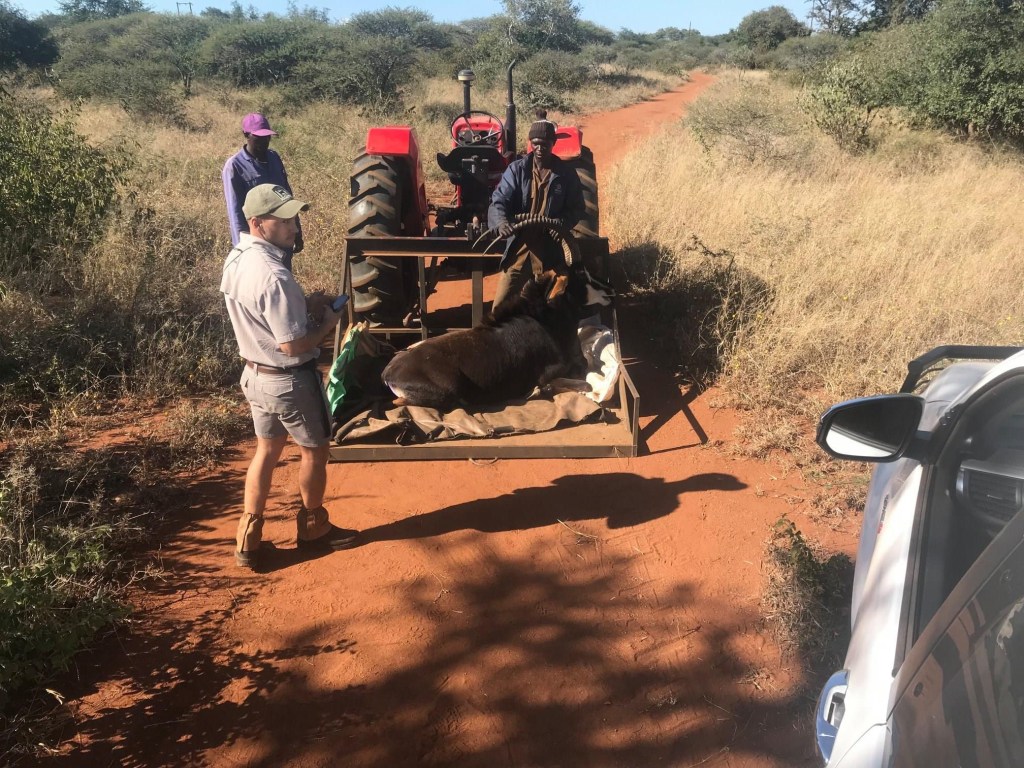
As mentioned above, when working in the field, you have a large support team with you. While the veterinarian may be the only one who can provide medical treatment or knowledge to the case, the other staff is essential for handling the animal. With livestock, owners and their staff are used to working with the animals daily and they know individual personalities. In wildlife field medicine, the park manager or owner is there and will be advise and support any decisions made, including if the procedure cannot be completed for the animal’s safety.
Field Work Challenges:
- No control
When you are in the field you have almost no control of what is happening. The only thing you have control over is an anesthetized patient and what is happening to it. You are at the mercy of the environment for weather conditions to be appropriate. You also have no control over whether the animal ate or not. With wildlife, you also can’t control what the other animals around will do. More than likely, they will leave you alone because they do not want to interact, but some may become aggressive.
- Lack of access to supplies
When you are in the field, what you have is what you have. You can’t just go run and grab a different drug out of the cabinet. That means you must be prepared for anything to happen before you get out there. You should have a wide variety of drugs on hand, ample amounts of supplies, and things you may need in an emergency. This is where the improvising comes into play. If you don’t have what you need, you need to make it work with what you have around you.
- Time
When working in the field, time is always working against you. Animals become agitated quickly. You must prioritize what you do in order of importance. This will allow you to get the most essentials things done before the animal says it has had enough. However, you can’t always do everything that you want because you are working against the clock. With wildlife, you have a limited duration of the anesthetic and the goal is to not have to give them more, so you have to work within a narrow window.

- Sometimes you don’t find the animal
One of the biggest challenges with field work is that you can spend days looking for an animal and never find it. Cattle that graze large areas may be too far away to bring in. Wildlife may be hiding or are always on the move so that you can’t dart them. This can be extremely frustrating and expensive for the veterinarian and the owner.
Overall, there are advantages and challenges to every field of veterinary medicine and not all of it is suited for every veterinarian. The most important thing for students is to get experience in as many situations as possible so that you know what fits best for you.

 Wandering Wildlife Vet
Leave a comment